
The Family Caregiver’s Long-Distance Transport Checklist: Documents, Medications, and Comfort Items

The Family Caregiver’s Long-Distance Transport Checklist: Documents, Medications, and Comfort Items

Planning a multi-hour medical patient move can feel overwhelming—especially when you’re coordinating paperwork, personal items, and day-to-day care needs at the same time. This long-distance medical transport checklist is designed for family caregivers, care partners, and discharge planners who want a clear, practical way to prepare for a non-emergency trip without missing critical details. In the winter months, small preparation gaps (like missing backup supplies or hard-to-access documents) can create avoidable stress during an already emotional transition. The goal is simple: help you confirm the right documents are accessible, the patient’s existing routines can be maintained, and comfort needs are covered—so the trip is as smooth and predictable as possible. For a broader overview of how these trips typically work, see Understanding Long-Distance Medical Patient Transport.

What You Need to Know First (High-Priority Takeaways)

  • ✓ Keep essentials with you, not packed away: Put documents, medications, and must-have supplies in a single “grab bag” that stays accessible.
  • ✓ Plan to maintain the existing care routine: Confirm timing for meds, hydration, feeding, repositioning, and comfort measures already prescribed.
  • ✓ Prepare for delays without panic: Bring reasonable backups of key items (meds, briefs, wipes, batteries) so a schedule change doesn’t become a crisis.
  • ✓ Confirm mobility and transfer needs in plain language: Note whether the patient is non-ambulatory, needs a stretcher, or requires extra help with transfers.
  • ✓ Align expectations with non-emergency support: Long-distance medical patient transportation is logistical and care-continuity focused; it does not replace hospital care or emergency services.

How a Non-Emergency, Long Trip Is Typically Supported

For family caregivers, the most helpful way to think about long-distance, non-emergency medical patient transportation is “continuity and coordination.” The priority is keeping the patient safe and comfortable while following their existing prescribed care plan during the trip—such as medication schedules, hydration, feeding routines, oxygen use, and comfort measures. Your checklist should focus on what the patient already uses day-to-day and what information a transport team needs to follow those routines.

This also differs from on-demand rideshare-style options. A long trip with a medically complex or non-ambulatory patient often requires more structured planning: confirming what the patient can tolerate, what supplies must be within reach, and who will communicate updates to family.

compact van, minivan, van, ford transit

Why Missing One Item Can Disrupt the Whole Day

On a long trip, small gaps can have outsized consequences. A missing document can slow admission at the receiving facility. An inaccessible medication can throw off the patient’s established routine. A forgotten comfort item can increase agitation or discomfort for someone with cognitive impairment. Even when pricing is flat-rate and logistics are handled, caregivers often feel the pressure of “getting everything right” because the patient’s stability depends on predictable routines.

Using a checklist reduces last-minute decision-making and helps you prioritize what must stay with the patient versus what can be packed separately.

Common Caregiver Missteps to Avoid (Checklist)

  • ✓ Packing medications in checked luggage or sealed boxes: Keep time-sensitive meds and supplies immediately accessible for scheduled routines.
  • ✓ Bringing bottles without a clear list: A simple written medication list (name, dose, timing) helps prevent confusion during handoffs.
  • ✓ Forgetting “small but essential” items: Chargers, spare hearing-aid batteries, glasses, and denture supplies can affect comfort and communication.
  • ✓ Assuming the receiving facility has everything on arrival: Even when a facility is prepared, having a short bridge supply of basics can reduce stress during intake.
  • ✓ Not clarifying cognitive or behavioral needs: If the patient has dementia or becomes anxious with change, note proven comfort strategies and triggers.
  • ✓ Mixing must-have items with non-essentials: Separate “during transport” items from “arrive and unpack later” items.

Long-Distance Medical Transport Checklist: Essentials

  • ✓ (High) Identification and administrative documents: Photo ID (if available), insurance cards, facility contact names/numbers, and any required admission paperwork.
  • ✓ (High) Current medication list: A readable list that matches the patient’s existing routine (include timing notes). Keep it with you.
  • ✓ (High) Medications for the travel window + reasonable backup: Bring what’s needed for the trip and a small buffer in case of schedule shifts.
  • ✓ (High) Care routine notes: A one-page summary of what the patient typically needs (hydration cadence, feeding routine if applicable, repositioning schedule if prescribed, incontinence care preferences).
  • ✓ (High) Oxygen and related items (if already prescribed): Note current usage requirements and any accessories the patient uses as part of their existing plan.
  • ✓ (High) Feeding tube supplies (if applicable): Only what the patient already uses day-to-day, plus basic backups you rely on at home/facility.
  • ✓ (Medium) Hygiene and skin-care essentials: Briefs, wipes, barrier cream, disposable pads, gloves—packed for quick access.
  • ✓ (Medium) Clothing layers and easy-change items: Comfortable, non-restrictive clothing; an extra set within reach.
  • ✓ (Medium) Swallow-precaution or diet items (if already required): Pureed foods or approved items consistent with the patient’s current diet plan.
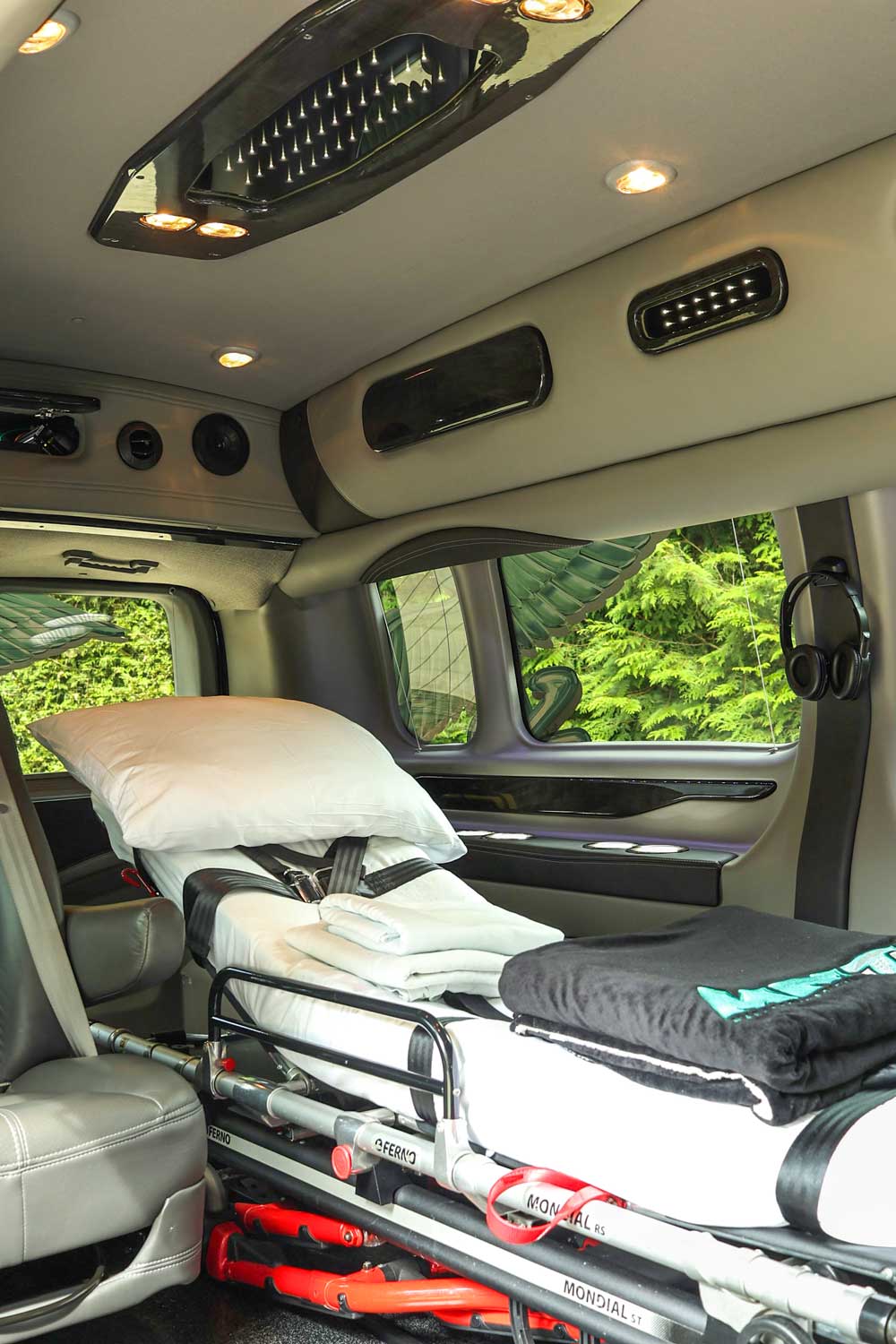
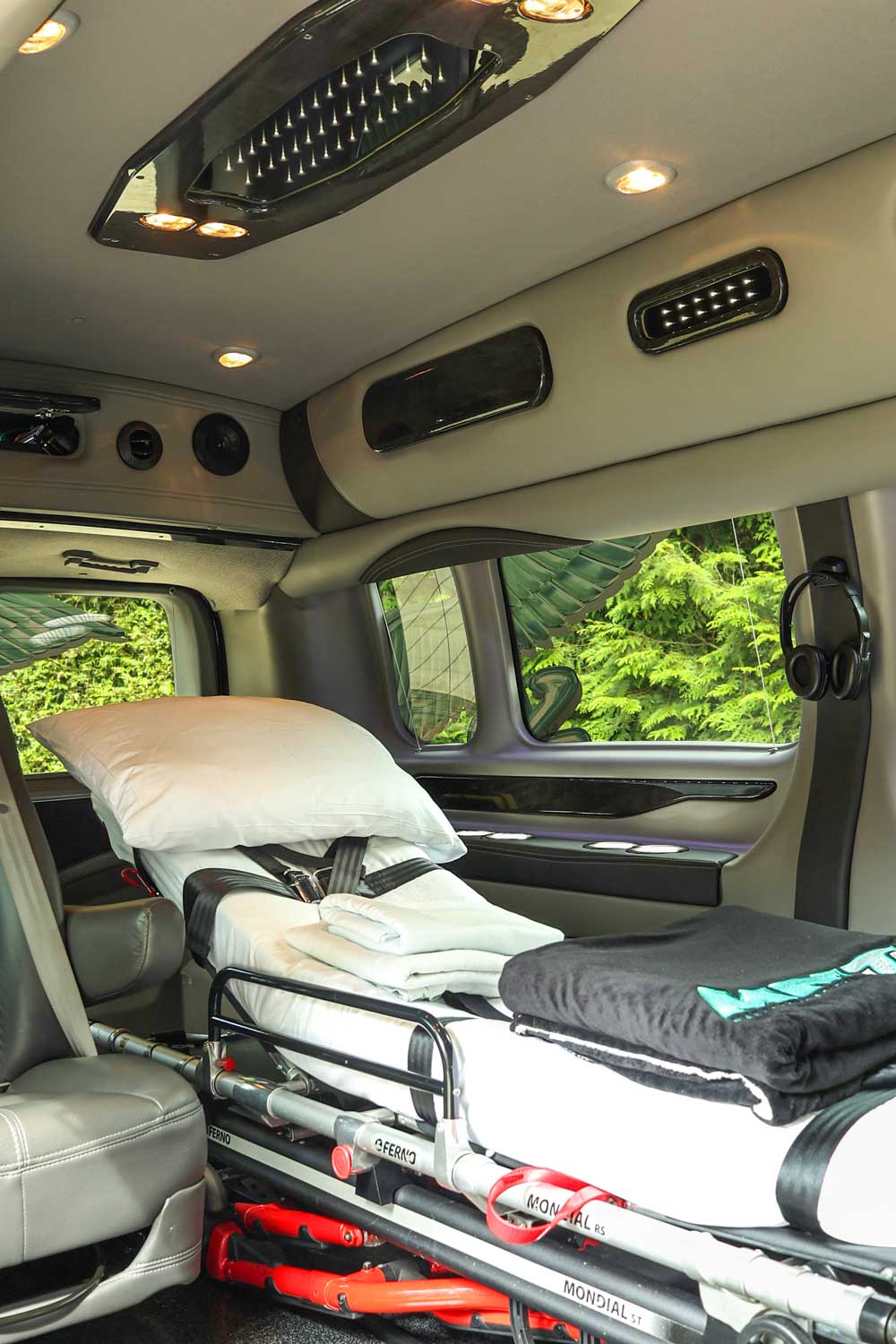
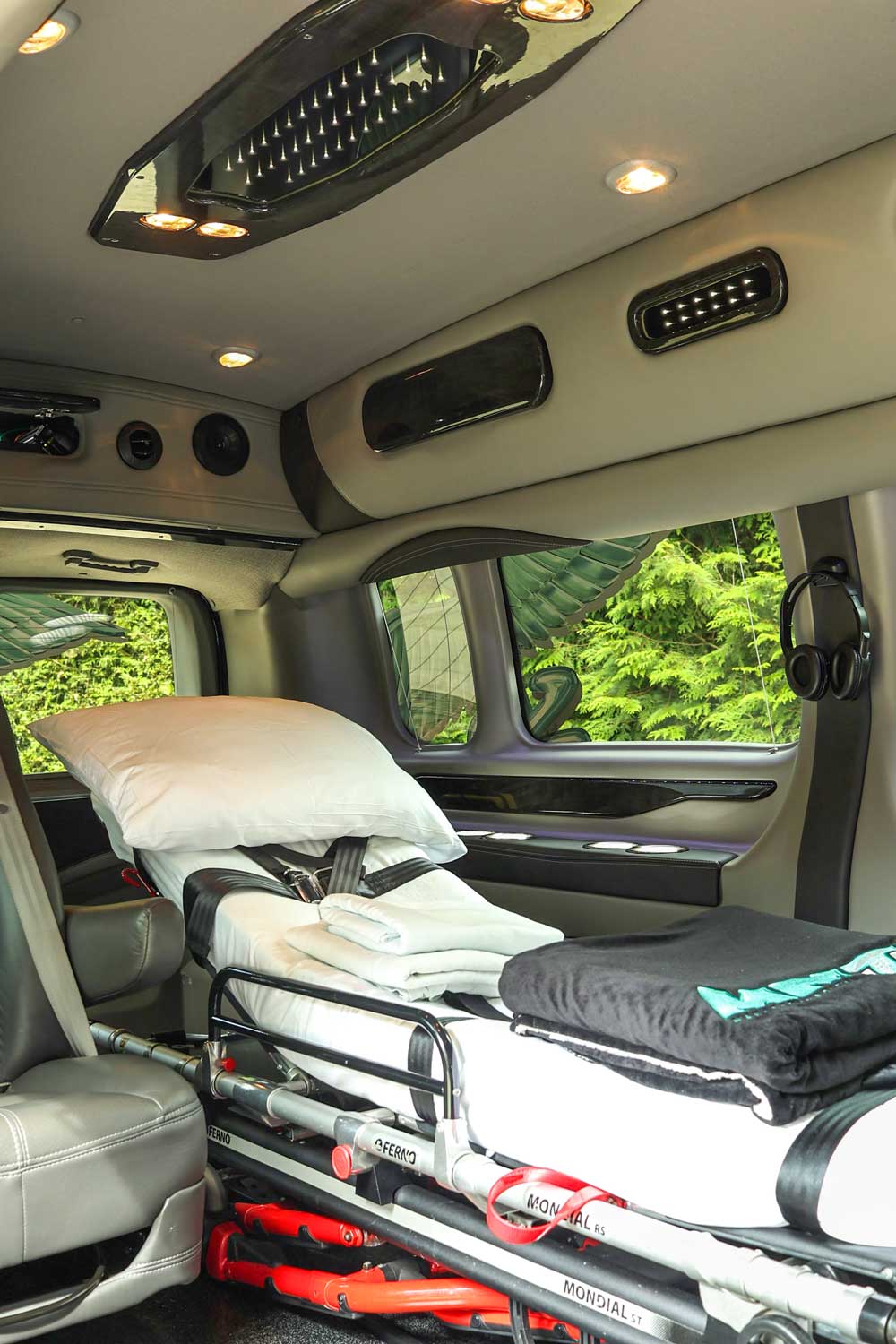
  • ✓ (Medium) Comfort and calming tools: Familiar blanket, pillow, music/headphones, simple fidget item, or a photo—especially helpful for cognitive impairment.
  • ✓ (Medium) Mobility and transfer notes: Clear description of what the patient can/can’t do (non-ambulatory, needs assistance to reposition, etc.).
  • ✓ (Low) Personal communication kit: Phone, charger, backup battery, and a short contact list for updates.
  • ✓ (Low) Arrival kit: A separate bag for items needed at the destination (toiletries, extra clothes, paperwork copies).
compact van, minivan, van, compact sport utility vehicle

A Word from Experience

In practice, we often see trips go more smoothly when caregivers create a single-page “care snapshot” and keep it with the medications—so everyone involved can follow the patient’s established routine without relying on memory during a stressful day.

When You Should Ask for Professional Coordination

  • ✓ The patient is non-ambulatory or bedridden: A structured plan helps ensure safe transfers and comfort over many hours.
  • ✓ The patient has complex daily routines: Feeding tubes, oxygen requirements, insulin-dependent schedules, or prescribed repositioning can require careful timing.
  • ✓ Cognitive impairment makes transitions difficult: If confusion, agitation, or anxiety is common, planning for comfort and communication becomes more important.
  • ✓ You’re coordinating a facility-to-facility transfer: Paperwork, intake timing, and handoff details can be easier with dedicated coordination.
  • ✓ The trip is long enough that “winging it” feels risky: If you’re worried about missed meds, discomfort, or inconsistent routines, it’s a sign you need a clearer plan.

Your Questions, Answered

What should I keep with me during the trip versus packed separately?

Keep documents, the medication list, time-sensitive medications, and immediate-care supplies (briefs, wipes, barrier cream, chargers) in one accessible bag. Pack arrival-only items separately.

How do I document the patient’s routine without writing a full care plan?

Create a one-page summary of the existing routine: medication timing, hydration/feeding cadence (if applicable), oxygen usage requirements (if prescribed), and comfort strategies that already work for the patient.

Can a family member ride along?

Some long-distance, non-emergency medical patient transportation providers allow one family member to ride with the patient. Confirm this in advance so you can plan what you’ll bring and how updates will be handled.

What if the patient uses specialized diet textures or swallow precautions?

Bring items consistent with the patient’s current diet requirements and any tools you already rely on. If a facility is receiving the patient, confirm what will be available upon arrival.

How do I know if the situation is non-emergency?

If the patient needs urgent or immediate medical attention, that is not a non-emergency situation. For planned transitions where the goal is maintaining an existing routine during travel, non-emergency coordination may be appropriate.

Moving Forward

A well-built checklist helps you protect the patient’s routine, reduce stress, and avoid last-minute scrambling on a long day of travel. Focus first on what must stay accessible: documents, medication timing, and the supplies that support existing care. Then add comfort items that help the patient stay calm and comfortable for hours. If you’re coordinating a complex move, writing a one-page care snapshot can make communication clearer for everyone involved.

Want More Information?

Download our free resource to learn more about this topic.

Download Free Guide

Read more The Family Caregiver’s Long-Distance Transport Checklist: Documents, Medications, and Comfort Items
How to Plan a State-to-State Hospital Discharge When the Patient Can’t Sit Upright

How to Plan a State-to-State Hospital Discharge When the Patient Can’t Sit Upright

Planning a state-to-state hospital discharge transport gets more complicated when your loved one can’t tolerate sitting upright for long periods. Families, caregivers, and discharge planners often have to coordinate timing, paperwork, mobility needs, and comfort measures—while also protecting the patient’s continuity of care during a long trip. The goal is simple: get the patient from one care setting to the next safely, comfortably, and without avoidable delays. During winter months, longer travel times can make it even more important to confirm the plan, supplies, and communication process in advance. This guide walks you through the prerequisites, step-by-step actions, and common pitfalls so you can set up a realistic discharge timeline and the right non-emergency travel arrangement.

For a plain-language overview of what long-distance non-emergency medical patient transportation typically includes (and what it does not), review Understanding Long-Distance Medical Patient Transport before you finalize your discharge plan.

Key Points to Know Before You Schedule

  • Confirm the trip is non-emergency: long-distance medical patient transportation is designed for stable patients who can travel without emergency response.
  • Plan for a forward-facing stretcher option when upright sitting isn’t possible: it can improve comfort and reduce motion-related discomfort on long trips.
  • Match transport to the existing care plan: medication timing, oxygen, feeding routines, and repositioning schedules should continue during travel as prescribed.
  • Coordinate discharge timing with receiving care: align pickup windows, admission hours, and paperwork so the patient isn’t stuck waiting.
  • Prepare a “travel-ready” packet: documents, contacts, and essential supplies should be organized and accessible.

State-to-State Discharge Transport When Upright Sitting Fails

When a patient can’t sit upright, the planning focus shifts from “getting a ride” to building a safe, non-emergency handoff between care settings. That usually means confirming the patient’s mobility limitations, identifying the safest positioning for extended travel, and ensuring the transport team can follow the patient’s existing prescribed care plan (for example, medication schedules, oxygen requirements, feeding routines, hydration, and repositioning/turning). It also means clarifying what the service is: this is not emergency response and does not replace a hospital, physician, or EMS.

Because this is a cross-state transition, you’ll also need a clean chain of communication: discharging unit, receiving facility (or home caregivers), family decision-makers, and the transport provider. The smoother the information flow, the fewer last-minute surprises on discharge day.

sport utility vehicle, suv, car, pickup truck

Why Planning Details Can Make or Break the Discharge Timeline

State-to-state care transitions often fail for logistical reasons—not because anyone did “nothing,” but because small gaps compound quickly. If the receiving facility can’t accept the patient yet, the patient may wait longer in the discharging room. If medications or orders aren’t ready, departure can slip by hours. If the patient’s positioning needs aren’t clearly communicated, comfort and safety can suffer during a long trip.

Cost predictability can also be affected by unclear scope. Confirming what’s included (and what isn’t) helps reduce stressful, last-minute changes. Most importantly, good planning supports continuity: the patient’s routine and comfort measures can be maintained consistently during a long-distance move.

Common Missteps to Avoid (Discharge-Day Checklist)

  • Assuming “any ride” can handle a non-ambulatory patient: if the patient can’t sit upright, you need a plan built around stretcher-based positioning and safe transfers.
  • Waiting to request records until the morning of discharge: delays often happen when transfer paperwork and orders aren’t ready.
  • Not confirming oxygen details: clarify prescribed flow rate, equipment type, and how continuity will be maintained during travel.
  • Forgetting time-sensitive routines: feeding schedules, insulin timing, and repositioning plans should be communicated clearly and followed as prescribed.
  • Overpacking the wrong items: prioritize essentials that support the care plan and comfort, not bulky extras that complicate access.
  • Unclear decision-maker and contacts: if the transport team can’t reach the right person quickly, small questions can become major delays.

Your Step-by-Step Plan for a Smooth Cross-State Discharge

What you’ll achieve: a confirmed, non-emergency travel plan that aligns the hospital discharge, the receiving destination, and the patient’s positioning and care continuity needs.

Prerequisites (gather these first)

  • Discharge planner or unit contact name and phone number
  • Receiving facility/home caregiver contact and acceptance details
  • Patient mobility limitations (cannot sit upright; transfer needs)
  • Current prescribed care plan highlights (med schedules, oxygen, feeding, turning schedule)
  • Insurance and identification documents as required by the care settings
  1. Confirm the patient is appropriate for non-emergency travel.

    Tip: Ask the discharging care team to state clearly whether the patient is stable for non-emergency medical patient transportation and whether any special monitoring is required beyond the existing care plan.

  2. Document why upright sitting isn’t feasible and what positioning works.

    Tip: Get a simple, written summary of tolerated positions (for example, “stretcher only,” “head-of-bed angle limits,” or “requires scheduled repositioning”) so the transport plan matches reality.

  3. Align discharge timing with the receiving destination’s intake rules.

    Tip: Confirm admission hours, after-hours procedures, and who can accept the patient on arrival. Build in buffer time for paperwork completion.

  4. Create a continuity-of-care “travel packet.”

    Tip: Include medication lists and timing, allergies, diet/swallow precautions, oxygen requirements, feeding instructions (if applicable), and key phone numbers. Keep originals or copies in one folder that stays with the patient.

  5. Plan the essentials for comfort, hygiene, and dignity.

    Tip: Pack incontinence supplies, skin-protection items used in the current routine, wipes, gloves, and a change of clothing in an accessible bag—not in a trunk or sealed box.

  6. Confirm who will travel and how updates will be shared.

    Tip: If a family member is riding along, confirm what they should bring and who will receive trip updates. Decide who will be the primary point of contact for decisions.

  7. Do a final “day-of” verification call.

    Tip: Reconfirm pickup location within the facility, discharge readiness, destination acceptance, and any last-minute changes to the prescribed care plan.

MMT

Professional Insight: The Small Detail Families Often Miss

In practice, we often see discharge plans stall because the receiving side isn’t fully synchronized—room assignment changes, intake hours, or a missing acceptance confirmation can turn a well-timed pickup into hours of waiting. A quick confirmation with the receiving facility (or home care coordinator) before discharge day tends to prevent the most stressful delays.

When It’s Time to Bring in a Long-Distance Transport Professional

  • The patient cannot sit upright at all and requires stretcher-based positioning for the entire trip.
  • The trip is over 300 miles and you need continuity of the existing care plan during travel.
  • The patient has oxygen, feeding tube needs, dementia/cognitive impairment, or incontinence care that must be managed consistently as prescribed.
  • You need coordinated communication between the hospital, family, and receiving facility to avoid discharge-day delays.
  • You want predictable logistics with a defined scope for a cross-state care transition.

Your Questions, Answered

Can a patient be moved long-distance if they must remain on a stretcher?

In many non-emergency situations, yes—if the patient is stable for non-emergency travel and the transport plan is built around stretcher positioning and the patient’s existing prescribed care plan.

What information should I collect from the hospital before the patient leaves?

Have a discharge summary or transfer packet, medication schedule, allergies, diet/swallow precautions, oxygen requirements (if applicable), and clear contact numbers for the discharging unit and the receiving destination.

How do we handle medications and routines during a long trip?

For non-emergency long-distance medical patient transportation, the goal is to maintain the patient’s existing prescribed care plan during transport—such as medication timing, feeding routines, hydration, comfort measures, oxygen, and prescribed diabetic care routines—without initiating new interventions.

Is this the same as a rideshare or on-demand medical ride?

No. Long-distance medical patient transportation for non-ambulatory patients is typically planned in advance, built around the patient’s positioning and care continuity needs, and coordinated with discharge and receiving arrangements rather than on-demand pickup.

How far in advance should we start planning a cross-state discharge move?

As soon as the discharge destination is identified and the patient’s travel readiness is being discussed. Earlier planning helps align paperwork, acceptance timing, and the patient’s positioning and care needs.

Taking Action on Discharge Planning

A successful cross-state discharge for someone who can’t sit upright depends on aligning three things: the patient’s stable, non-emergency status; a positioning plan designed for long travel; and a continuity-of-care packet that keeps routines consistent. When you confirm acceptance at the destination and remove paperwork surprises, you reduce delays and improve comfort on travel day. If you’re coordinating a state-to-state hospital discharge transport, a structured checklist and clear communication can make the process far less stressful.

Book Your Consultation

Schedule a free consultation with our experts.

Schedule Now

Read more How to Plan a State-to-State Hospital Discharge When the Patient Can’t Sit Upright
Forward-Facing Stretcher Transport: Why Orientation Matters on Long Trips (Comfort, Nausea, and Safety)

Forward-Facing Stretcher Transport: Why Orientation Matters on Long Trips (Comfort, Nausea, and Safety)

Choosing a stretcher-based option for a long trip can feel overwhelming—especially if you’re coordinating for a parent, spouse, or patient who can’t sit upright for hours. One detail that’s easy to overlook is the direction the stretcher faces during travel, which can affect comfort, motion sensitivity, and how stable the ride feels. During the winter months, longer travel days and layered clothing can also make positioning and comfort planning even more important. If you’re comparing services, asking about forward-facing stretcher transport is a practical way to narrow your options and set expectations for the trip.

For a broader overview of how long-distance, non-emergency medical patient transportation works, start with Understanding Long-Distance Medical Patient Transport.

Key Points to Know Before You Book

  • Stretcher orientation can influence comfort on long rides, especially for patients who are sensitive to motion.
  • Forward-facing positioning is often requested because it can feel more natural and stable for many riders.
  • Non-emergency long-distance medical patient transportation is designed to maintain an existing care plan during travel—not to provide new treatment.
  • Comfort is more than “soft bedding”: it also includes safe positioning, planned stops, and predictable routines.
  • Ask detailed questions before scheduling so you know what the vehicle setup supports and what the team can accommodate.

How Stretcher Orientation Works in Non-Emergency Long Trips

In long-distance, non-emergency medical patient transportation, a stretcher is secured inside a specialized vehicle so the patient can travel lying down. “Orientation” refers to whether the patient’s head is positioned toward the front of the vehicle (forward-facing) or toward the rear (rear-facing).

For beginners, the simplest way to think about it is this: the body tends to feel movement differently depending on which direction you’re facing. Many people are more comfortable when they’re oriented in the same direction the vehicle is traveling, especially over many hours and varied road conditions.

Orientation is only one part of the comfort equation. A good long-distance setup also considers cushioning, securement, temperature control, and the ability to support the patient’s prescribed routines (for example, scheduled repositioning or oxygen use) during the trip.

compact van, minivan, van, ford transit

Why Orientation Can Affect Comfort, Nausea, and Ride Stability

Families often focus on distance and price first, but comfort factors can drive the overall experience—especially for patients who are already fatigued, in pain, or living with cognitive impairment.

Here are practical ways stretcher direction may matter on long trips:

  • Motion sensitivity: Some people feel less queasy when their body is aligned with the direction of travel. Others may be sensitive either way. The key is to discuss history of motion discomfort before booking.
  • Sense of control and calm: Facing forward can feel more intuitive for some patients, which may help with anxiety—particularly when the patient is alert and aware of movement.
  • Braking and acceleration feel different: How stops and starts feel to the patient can change depending on positioning. On long routes, repeated transitions (traffic, turns, uneven pavement) add up.
  • Communication and observation: Depending on the vehicle layout, orientation may affect how easily staff can observe comfort cues and communicate with the patient.

Important boundary: non-emergency transport teams are not there to diagnose or treat nausea or other symptoms. The goal is to maintain the patient’s existing prescribed care plan and keep the trip as safe and comfortable as possible within that scope.

What It Can Mean for Your Timeline, Budget, and Peace of Mind

Orientation sounds like a small detail, but it can influence planning decisions that affect the whole trip.

  • Trip tolerance: If the patient becomes uncomfortable early, you may need more frequent stops or additional comfort adjustments, which can make the day feel longer even when the mileage is the same.
  • Care continuity: Long trips often require sticking to medication schedules, hydration routines, feeding routines, or repositioning plans. A comfortable, stable setup can make it easier to keep those routines consistent.
  • Family coordination: When one family member is permitted to ride along, clarity about the patient’s setup helps everyone prepare—what to pack, what questions to ask, and what to expect during breaks.
  • Comparing providers: Not every service offers the same vehicle configuration. Asking about stretcher direction early can quickly clarify whether a provider is a fit for your situation.

Common Missteps to Avoid (Quick Checklist)

  • Assuming all stretcher transport is the same: Vehicle layouts and patient securement options vary. Ask what the setup supports.
  • Waiting to mention motion sensitivity: If the patient has a history of nausea during travel, share that during planning so comfort strategies can be discussed.
  • Skipping details about mobility and transfers: Clarify whether the patient is non-ambulatory, needs a lift assist, or requires careful transfer coordination at pickup and drop-off.
  • Not confirming care-plan needs: If the patient has oxygen requirements, feeding tubes, incontinence care needs, or scheduled turning/repositioning, confirm the team can maintain the existing routine during travel.
  • Confusing non-emergency transport with on-demand rides: Long-distance medical patient transportation is planned, scheduled, and care-continuity focused—not a rideshare model.
sport utility vehicle, suv, car, pickup truck

How to Plan for a More Comfortable Long-Distance Stretcher Trip

  • Ask about stretcher direction during your first call: Confirm whether forward orientation is available and whether there are any constraints based on vehicle configuration.
  • Share the patient’s baseline comfort needs: Include typical sleep position, pressure sensitivity, and any anxiety triggers related to travel.
  • Provide a written care-plan summary: List medication times, hydration/feeding routines, oxygen flow requirements (as prescribed), and repositioning schedules.
  • Plan clothing and bedding for long hours: Choose comfortable layers and consider items that support the patient’s normal routine (within what the transport team allows).
  • Confirm pickup/drop-off logistics: Ask about doorway widths, elevator access, and who will coordinate the handoff at each end.
  • Set a communication plan: Decide who receives updates and ensure contact numbers are correct before departure.

Professional Insight: The Small Detail Families Appreciate Later

In practice, we often see families focus on the big milestones—pickup time, total miles, and arrival—then realize mid-trip that comfort details (like orientation, bedding feel, and predictable routines) are what shape the patient’s experience hour by hour. When those details are discussed upfront, the trip tends to feel more manageable for everyone involved.

When It’s Time to Ask for Professional Transport Support

Consider reaching out to a long-distance, non-emergency medical patient transportation provider when:

  • The patient cannot sit upright for extended periods and needs to travel lying down.
  • The trip is long enough that routines matter (medication schedules, oxygen use, feeding routines, or repositioning plans).
  • You’re coordinating a facility-to-facility or hospital-to-home transition and need a planned handoff at both ends.
  • The patient has cognitive impairment and does better with structured support and calm communication.
  • You need a clear, scheduled plan rather than an on-demand ride model.

Frequently Asked Questions

Is a forward-oriented stretcher setup available for non-emergency long trips?

It depends on the provider’s vehicle configuration. If orientation is important for comfort, ask directly during scheduling so you can confirm what setup is offered.

Does stretcher direction prevent motion sickness?

No setup can guarantee how someone will feel. However, some patients find that facing the direction of travel feels more natural and may reduce discomfort over long distances.

Can a transport team change medications or treat nausea during the trip?

Non-emergency medical patient transportation is intended to maintain the patient’s existing prescribed care plan during travel. It is not a substitute for a hospital or physician and does not initiate new medical treatment.

What information should I share before booking a long-distance stretcher trip?

Share mobility level, transfer needs, cognitive considerations, oxygen requirements (if prescribed), feeding routines, medication schedule, and any comfort concerns such as motion sensitivity.

How is this different from a medical rideshare option?

Long-distance, non-emergency medical patient transportation is typically scheduled and planned around patient mobility, comfort, and care continuity. It is not an on-demand rideshare model and is designed for patients who need more structured support during travel.

Where to Go from Here

Stretcher orientation is a practical, beginner-friendly question that can help you compare options and plan a smoother long trip. When you understand how the patient will be positioned, you can better anticipate comfort needs, routine timing, and the overall travel experience. The best next step is to gather the patient’s care-plan details and ask providers clear, specific setup questions before you schedule.

Learn More About Our Services

Discover how we can help you achieve your goals.

Learn More

Read more Forward-Facing Stretcher Transport: Why Orientation Matters on Long Trips (Comfort, Nausea, and Safety)
7 Red Flags When Booking Long-Distance Non-Emergency Medical Patient Transportation (And What to Ask Instead)

7 Red Flags When Booking Long-Distance Non-Emergency Medical Patient Transportation (And What to Ask Instead)

Booking long-distance medical patient transportation is often happening alongside discharge planning, a family move, or a change in care setting—and it can be hard to tell which provider is truly equipped for the trip. This guide is for family members, caregivers, and care teams who want to avoid preventable problems by spotting long-distance non-emergency medical transport red flags early. These warning signs matter because a 300+ mile trip can expose gaps in staffing, planning, and communication that may not show up on a short local ride. During winter months, longer drive times and more frequent comfort breaks can make preparation and transparency even more important.

For a clear baseline of what a well-run trip should include, review Understanding Long-Distance Medical Patient Transport before you compare quotes or commit to a date.

Bottom Line Upfront: The 7 Warning Signs to Screen For

  • Vague answers about who will be in the vehicle and what their role is during the trip.
  • Unclear scope that blurs non-emergency transport with services they don’t actually provide.
  • Pricing that isn’t truly all-inclusive (surprise add-ons for mileage, tolls, stops, or meals).
  • No written plan for care continuity (med schedules, oxygen, feeding routines, repositioning).
  • Limited communication (no real-time updates, unclear point of contact, or inconsistent responsiveness).
  • Equipment and comfort details are glossed over (stretcher orientation, bedding, securement, breaks).
  • Border or cross-state logistics are “figured out later” instead of planned in advance.

Long-Distance Non-Emergency Medical Transport Explained

Long-distance non-emergency medical patient transportation is designed for patients who need help traveling safely and comfortably over extended distances (often 300+ miles), but who are not in an emergency situation. The focus is logistical and supportive: coordinating pickup and drop-off details, ensuring the patient can travel in an appropriate mobility setup (such as a stretcher), and maintaining the patient’s existing prescribed care plan during the trip.

A legitimate provider should be able to explain—plainly and consistently—what they do during transport (comfort, monitoring, assistance with routine needs) and what they do not do (diagnosis, treatment, initiating new medical interventions, or replacing a hospital or emergency service).

compact van, minivan, van, ford transit

Why These Red Flags Matter on a 300+ Mile Trip

On long trips, small operational gaps can turn into major stressors: missed medication windows, preventable discomfort, avoidable delays, or confusion between facilities and family. The stakes are practical:

  • Safety and comfort: positioning, securement, and routine care needs matter more over hours than minutes.
  • Continuity of care: if the plan for meds, feeding, oxygen, or turning isn’t clear, it’s easier for something to be missed.
  • Budget predictability: unclear pricing can create last-minute cost pressure when you have limited alternatives.
  • Coordination: facility discharge timing, family availability, and arrival handoff can unravel without a communication plan.

7 Booking Mistakes to Avoid (Red-Flag Checklist)

  • Red flag #1: They can’t clearly explain who will be staffing the trip.
    Why it matters: Long-distance trips require more than “a driver”—you need clarity on who is responsible for patient support during transport.
    What to do: Ask, “Who will be in the vehicle the entire trip, and what patient-care tasks are they responsible for?”
  • Red flag #2: They use confusing language that blurs non-emergency transport with higher-acuity services.
    Why it matters: If a company isn’t precise about scope, you may be booking a service that doesn’t match the patient’s needs—or your expectations.
    What to do: Ask, “Is this transport strictly non-emergency, and what are your service boundaries during the trip?”
  • Red flag #3: Pricing is vague or built on add-ons.
    Why it matters: For long distances, add-on pricing (mileage, tolls, meals, stops) can become unpredictable.
    What to do: Ask, “Is the quote flat-rate and all-inclusive? What exactly is included and excluded?”
  • Red flag #4: No plan to follow the patient’s existing care routine.
    Why it matters: Many patients need consistent routines—medication schedules, hydration, oxygen, feeding tubes, incontinence care, or repositioning.
    What to do: Ask, “How do you document and follow the current care plan during transport (med times, oxygen, feeding, turning)?”
  • Red flag #5: Communication is inconsistent or unstructured.
    Why it matters: Families and receiving facilities often need timing updates to coordinate safe handoff.
    What to do: Ask, “Who is the point of contact on transport day, and how will updates be provided?”
  • Red flag #6: They can’t describe the patient’s ride setup and comfort approach.
    Why it matters: Over many hours, details like stretcher orientation, bedding, and planned comfort breaks can significantly affect tolerance of the trip.
    What to do: Ask, “Will the patient be transported on a stretcher, and what comfort measures are standard for long trips?”
  • Red flag #7: Cross-state or cross-border logistics are not discussed upfront.
    Why it matters: Longer-distance coordination can involve documentation, timing windows, and facility communication that should be planned—not improvised.
    What to do: Ask, “What information do you need from the sending and receiving facilities, and when do you confirm pickup and drop-off details?”

A Practical Action Plan to Vet a Provider Before You Book

  • Write down the patient’s must-haves (mobility level, oxygen needs, feeding routine, repositioning schedule, cognitive status, diet constraints) and share them early.
  • Request a clear scope statement that confirms the trip is non-emergency and focused on maintaining the existing prescribed care plan.
  • Ask for an all-inclusive price explanation and have them confirm in writing what is and isn’t included.
  • Confirm staffing and accountability: who is responsible for patient support during the trip and who updates the family.
  • Confirm the transport configuration (for example, stretcher setup and comfort measures) and how breaks are handled.
  • Align the handoff plan with both facilities (pickup readiness, receiving availability, required paperwork).
  • Keep a single page “transport summary” with medications, routines, contacts, and special instructions to reduce day-of confusion.
sport utility vehicle, suv, car, pickup truck

Key Detail to Avoid Day-Of Issues

In practice, we often see that the smoothest long-distance trips happen when one person (a family coordinator or discharge planner) owns a single, written “source of truth” for the patient’s routine and the facility contacts—then confirms it with the transport provider before the pickup window. That one step reduces last-minute surprises like missing items, unclear medication timing, or confusion about who is authorized to receive the patient.

When to Seek Professional Support Instead of Trying to Patch a Plan Together

Consider getting help from a qualified long-distance non-emergency medical patient transportation provider when any of the following are true:

  • The patient is non-ambulatory or cannot safely transfer in and out of a standard vehicle.
  • The trip is 300+ miles and the patient needs consistent routines (medications, oxygen, feeding, repositioning).
  • Cognitive impairment is present (for example, dementia) and supervision/structure is needed during travel.
  • The sending/receiving facility requires coordinated handoff and you need predictable timing and communication.
  • You’re hearing multiple red flags—vague staffing, unclear scope, or pricing that keeps changing.

If you believe the situation may be urgent or beyond non-emergency support, contact the patient’s licensed medical team for guidance on the appropriate level of care.

Common Questions Families Ask Before a Long Trip

How do I know whether a trip qualifies as non-emergency?

Non-emergency transport is generally appropriate when the patient is stable enough to travel without emergency response and the goal is safe relocation while maintaining an existing prescribed care plan. A licensed medical professional can help confirm what level of transport is appropriate for the patient’s condition.

What information should I have ready before requesting pricing?

Have the pickup and drop-off addresses, the desired timeframe, the patient’s mobility level, and any routine needs (oxygen, feeding tube schedule, medication timing, repositioning needs, cognitive considerations, diet constraints). This helps the provider quote and plan accurately.

Can a family member ride along?

Policies vary by provider. If having a family member in the vehicle is important, ask directly and get the answer confirmed before booking.

What should a communication plan look like on transport day?

You should know who the point of contact is, how updates will be delivered, and what milestones will be communicated (departure, major stops as applicable, and estimated arrival). Clear expectations reduce stress for families and facilities.

What’s the best way to compare providers without getting overwhelmed?

Use a short checklist: scope boundaries (non-emergency), staffing clarity, care-continuity plan, pricing transparency, and communication practices. If a provider can’t answer these consistently, it’s a sign to keep looking.

The Path Ahead

Most booking problems are avoidable when you know what to listen for and what to ask. Use the red-flag checklist to screen providers quickly, then confirm the details that matter most: staffing, care continuity, communication, and transparent pricing. If anything feels vague or improvised, pause and get clarity before you commit. A well-planned long-distance trip should feel structured, predictable, and respectful of the patient’s existing routine.

Ready to Get Started?

Our team is here to help. Give us a call to discuss your needs.

Call Now

Read more 7 Red Flags When Booking Long-Distance Non-Emergency Medical Patient Transportation (And What to Ask Instead)
Long-Distance Medical Patient Transport for Dementia or Alzheimer’s: What Families Should Plan for (Non-Emergency)

Long-Distance Medical Patient Transport for Dementia or Alzheimer’s: What Families Should Plan for (Non-Emergency)

There’s a certain kind of stress that shows up when you’re planning a long trip for someone you love… and that person is living with dementia or Alzheimer’s. It’s not just the distance. It’s the change. The unfamiliar voices. The new routine. The “why are we doing this again?” loop (sound familiar?).

And if you’re coordinating a non-emergency medical patient transport—the kind that’s planned, scheduled, and meant to keep someone safe and comfortable over 300+ miles—you’re probably juggling a dozen details while also trying to protect your loved one’s dignity. I’ve seen families do this beautifully, and I’ve also seen how one small missing detail (like the wrong name being used, or a surprise pickup time) can turn a calm day into a rough one.

So let’s talk about what actually helps when you’re arranging long-distance medical patient transport for dementia—specifically the non-clinical, practical planning items that make the trip smoother for everyone.

(If you want the bigger-picture overview of how this type of transport works in general—what it is, what it isn’t, what to expect—this guide is worth bookmarking: Understanding Long-Distance Medical Patient Transport.)

Set the Right Expectations for You and Your Loved One

One thing that frustrates families (and honestly, discharge planners too) is when everyone is using the same words but meaning different things. “Medical transport” can mean a lot of things in the real world.

For this article, we’re talking about non-emergency long-distance medical patient transportation. That means it’s planned—not a 911 situation—and it’s designed to maintain an existing care plan during the trip, not create a new one. If anything about your loved one’s condition is unstable or you’re worried about an emergency scenario, you’ll want to check with the treating team about the right level of care before travel.

Now, here’s the dementia-specific twist: your loved one may not be able to “buy into” the plan, even if it’s a good plan. So your job becomes less about convincing and more about reducing surprises.

1) Create a “comfort narrative” (yes, a script) everyone can use

Ever notice how one caregiver can calm someone down in 10 seconds… and another can accidentally escalate things without meaning to? With dementia and Alzheimer’s, the way information is delivered matters as much as the information itself.

What helps is a simple, consistent story that everyone repeats—family, facility staff, and the transport team. Keep it short. Keep it positive. Keep it familiar.

Examples of a comfort narrative:

  • “We’re going for a drive to get you settled somewhere comfortable.”
  • “We’re heading to a place where you can rest and be taken care of.”
  • “We’re going to see the doctor and then get you cozy.”

You’re not trying to win a debate about details. You’re trying to reduce fear. (And if you’re thinking, “But is it okay to simplify?”—that’s a personal and clinical conversation. Many families coordinate language choices with the care team and follow facility guidance.)

Choose timing like planning for a toddler

We’ve all been there: you schedule something at the “logical” time… and then you realize logic has nothing to do with how your loved one’s day actually goes.

With cognitive impairment, timing can make or break the trip. In many cases, families try to avoid known agitation windows—late afternoon “sundowning” is the classic example, but every person is different.

What to coordinate ahead of time:

  • Best time of day for calmness and cooperation
  • Typical nap windows
  • Meal times and routines that shouldn’t be disrupted if you can help it
  • Any scheduled care routines that the facility wants maintained during travel

This is a big part of how to prepare for long-distance medical transport with dementia: you’re not just planning miles—you’re planning mood, energy, and routine.

3) Pack familiar items like they’re “anchors” (because they are)

If you only take one idea from this post, take this: familiar items aren’t just “nice to have.” They can be anchors—little reminders that the world is still understandable.

Common anchors families bring:

  • A favorite blanket or throw (texture matters!)
  • A small pillow from home
  • A well-worn sweater or jacket (familiar smell can be calming)
  • A simple photo (one or two, not an overwhelming stack)
  • A familiar playlist or music (if they respond well to it)

And here’s the part people forget: if your loved one tends to grab, fidget, or pick, bring something safe and familiar for their hands—like a soft cloth, a stress ball, or a textured item they already like.

4) Document “how to help” in plain language (not medical language)

Facilities are great at sending medical paperwork. Families are great at knowing the real-life stuff that never makes it into a chart.

I love when families create a one-page “About Me” sheet. Not a biography—just the practical things that prevent confusion and agitation.

Include details like:

  • Preferred name and what not to call them
  • Best way to approach them (from the front, gentle tone, etc.)
  • Topics that calm them (grandkids, pets, old job) and topics that upset them
  • Known triggers (being rushed, loud voices, certain phrases)
  • Comfort cues (what “pain” or “anxiety” looks like for them specifically)
  • Hearing aids/glasses/dentures: what they wear and where they’re stored

Stay with me here: this isn’t about “managing behavior.” It’s about respecting the person and making the trip less scary.

5) Clarify communication preferences (because dementia changes what “reassurance” means)

Some people want constant reassurance. Others get more anxious the more you talk. Some do best with one calm voice. Others respond better when a specific family member speaks.

Before the trip, decide:

  • Who is the “primary voice” for reassurance?
  • Do they do better with step-by-step explanations—or simple, repeated phrases?
  • Is touch comforting or startling for them?
  • Do they become distressed when they hear phone calls being made around them?

If one family member is riding along (when permitted), it can help to align on roles: Who talks? Who handles paperwork? Who watches for anxiety cues? It’s a small thing that prevents big overwhelm.

6) Plan for bathroom/incontinence realities without making it awkward

This is the part nobody wants to talk about, but everyone ends up dealing with. Long trips are long. Bodies do what bodies do. Dementia can make it harder to communicate needs—or to cooperate when it’s time for care.

What you can do ahead of time (non-clinical planning):

  • Confirm what supplies should travel with the patient (and pack extras)
  • Send a change of clothes that’s easy to put on (avoid tricky buttons if possible)
  • Share any dignity preferences (e.g., “Please keep covered,” “Explain before moving”)
  • Ask how stops are handled and how privacy is protected during the trip

It’s not glamorous. But planning for it is one of the kindest things you can do.

7) Coordinate meds and routine details like you’re passing a baton

For non-emergency medical transport for Alzheimer’s patients, continuity is the name of the game. Typically, the goal is to maintain the existing prescribed care plan during travel—not to introduce new treatments.

So your coordination job is basically: make sure the baton handoff is clean.

Double-check with the sending facility and receiving facility:

  • What paperwork must physically travel with the patient
  • Medication schedule documentation and who is responsible for sending what
  • Any diet notes that matter for comfort (texture, swallow precautions, preferred foods)
  • Mobility and transfer notes (what helps them feel safe during movement)

I’m intentionally not giving medical instructions here—your care team should guide anything clinical. But from a planning standpoint, the key is making sure routine information isn’t trapped in someone’s head or buried in a fax.

8) Build an escalation plan (because “what if” is not pessimism—it’s love)

Here’s where it gets interesting: families often plan the route, the pickup, the drop-off… and forget to plan for the moment when their loved one becomes frightened, angry, or convinced they’re being taken somewhere against their will.

An escalation plan doesn’t mean you expect disaster. It means you’ve agreed on what to do if distress shows up.

Consider coordinating:

  • Who gets called first if the patient becomes very distressed (and who is the backup)?
  • Whether the receiving facility has a preferred arrival process for dementia patients
  • What to do if the patient refuses to exit the vehicle on arrival (it happens)
  • When the situation should be treated as a medical concern and evaluated by clinicians

That last point matters: non-emergency transport isn’t a replacement for emergency services or hospital care. If something truly urgent occurs, the right move is to involve appropriate emergency resources. It’s worth discussing “what counts as urgent” with the medical team before travel so you’re not deciding under stress.

9) Make the receiving facility part of your plan (not just the destination)

Want a smoother arrival? Loop in the receiving facility early.

Ask questions like:

  • Where exactly should the vehicle arrive, and who will meet the patient?
  • Can the room be set up with familiar items before arrival?
  • Do they prefer arrival at a certain time for staffing and calm intake?
  • Who is the point person for the first 24 hours if the patient is disoriented?

In my experience, a calm handoff is half the battle. If the first 10 minutes are chaotic, your loved one may stay unsettled for hours.

A quick note on “medical rideshare” vs true long-distance medical patient transport

I’ll say this plainly because it trips people up: long-distance, non-emergency medical patient transportation is not the same thing as calling a rideshare and hoping for the best. When dementia is involved, you typically need a plan for comfort, positioning, scheduled care routines, and a structured handoff between facilities.

Many people also use the term “long-distance ambulance” casually to describe stretcher-based travel, but non-emergency medical patient transport is different from emergency ambulance care. Different purpose, different scope, different expectations.

Where Managed Medical Transport, Inc. fits (and where it doesn’t)

Managed Medical Transport, Inc. focuses on long-distance medical patient transports over 300 miles across the United States and Canada. These are non-emergency trips designed around safety, comfort, and maintaining the patient’s existing prescribed care plan during the journey—things like medication schedules, hydration routines, oxygen requirements, and comfort measures (as already prescribed).

They don’t provide emergency or critical care transport, and they don’t replace hospitals, physicians, or EMS. This is planned transportation—often between facilities, or from a hospital to home, or for a relocation—when the goal is continuity and a calmer experience.

If you’re in the middle of planning and your brain is spinning (because of course it is), the best next step is usually to gather the “About Me” sheet, facility paperwork, and your timing preferences—then talk through feasibility with the transport provider and the sending/receiving teams.


Important note: This article is for informational purposes only. It isn’t medical advice, and it can’t predict or guarantee how any individual will respond to travel. For clinical guidance, always check with your loved one’s medical team.

Frequently Asked Questions

What services does Managed Medical Transport, Inc. provide for long-distance transport for dementia patients?

We offer specialized long-distance medical transport services designed to cater to the unique needs of dementia and Alzheimer’s patients. Our trained professionals ensure a safe, comfortable, and dignified journey, including assistance with mobility and emotional support throughout the trip.

How can I prepare my loved one for a long-distance trip?

Preparation is key for a smooth journey. Familiarize your loved one with the travel plan, keep their routine as consistent as possible, and bring along comforting items such as blankets or favorite photographs. Communication is vital; explaining the journey in simple terms can help ease anxiety.

What should I expect during the transport process?

During transport, you can expect our team to prioritize safety and comfort. We will provide regular updates to families, ensure the patient is monitored throughout the journey, and make necessary stops to accommodate their needs. Our staff is trained to handle any challenges that may arise with compassion and professionalism.

Is it safe for someone with dementia to travel long distances?

Yes, with proper planning and support, it can be safe for someone with dementia to travel long distances. Our specialized services are designed to minimize stress and confusion, ensuring a secure environment that respects the patient’s needs and preferences throughout the journey.

How far in advance should I book transportation services?

We recommend booking transportation services at least a few weeks in advance to ensure availability and allow for thorough planning. This timeframe helps us accommodate any specific needs and make necessary arrangements for a smooth trip.

What happens if my loved one becomes agitated during the trip?

Our trained staff is experienced in handling such situations with care and empathy. We employ strategies to soothe and redirect agitation, ensuring a calm environment. Additionally, we encourage families to share any specific techniques that work for their loved one to help us provide the best support possible.

Read more Long-Distance Medical Patient Transport for Dementia or Alzheimer’s: What Families Should Plan for (Non-Emergency)
How Long-Distance Non-Emergency Medical Patient Transport Works with Oxygen: Planning, Equipment, and What Families Should Confirm

How Long-Distance Non-Emergency Medical Patient Transport Works with Oxygen: Planning, Equipment, and What Families Should Confirm

If you’re coordinating a long trip for someone who relies on oxygen, I’m guessing you’ve had this thought at least once: “Okay… but how does the oxygen part actually work for hours and hours on the road?” You’re not overthinking it. Oxygen is one of those details that turns a “simple transfer” into something you want planned like a mini mission (because comfort and continuity matter).

Let’s walk through what families typically need to gather, how long-distance medical patient transport with oxygen is usually planned, and the practical questions worth confirming—without drifting into clinical advice. (Stay with me here—this is the stuff that prevents last-minute surprises.)

First, a quick reality check: this is non-emergency transport

One thing that can be confusing: a lot of people casually say “long-distance ambulance” when they really mean a stretcher-based ride. But non-emergency medical patient transportation is different—no 911 response, no emergency interventions, and it doesn’t replace a hospital or EMS.

If you want the big-picture overview of how these trips work (timelines, who this is for, what to expect), I’d point you to this guide: Understanding Long-Distance Medical Patient Transport. It’s a solid foundation before you zoom in on oxygen-specific planning.

Why oxygen changes the planning (and why that’s a good thing)

Here’s what I love about oxygen planning when it’s done right: it forces everyone to get aligned. No vague assumptions. No “I think the facility will send it.” No “We’ll figure it out on the way.”

For oxygen-dependent patients, the goal during a long-distance trip is usually pretty simple: maintain the patient’s existing prescribed oxygen plan consistently from pickup to drop-off. Not reinvent it. Not adjust it. Just keep it steady and predictable.

That’s the heart of oxygen planning for long-distance patient transport: continuity, redundancy, and clear handoffs.

The information families should gather before you book anything

We’ve all been there—someone says, “They’re on oxygen,” and that’s the whole report. But “on oxygen” can mean a lot of different setups.

In my experience, the most helpful thing you can do early is collect oxygen details in plain language and have them ready for the transport coordinator and the discharging facility.

1) The current oxygen order details (as documented)

You’re not trying to interpret it—just capture it accurately. Typically, families confirm:

  • Whether oxygen is continuous or only at certain times (for example, during activity or sleep)
  • The delivery method being used now (for example, nasal cannula or mask)
  • Any notes about comfort or tolerance (dryness, skin irritation, etc.)—the practical stuff people forget to mention

2) What equipment the patient currently uses day-to-day

This is where things get interesting. Some patients use concentrators at home or in a facility, some use cylinders, and many use a mix depending on the setting. Ask:

  • Are they currently using a stationary concentrator, portable concentrator, or oxygen cylinders?
  • Do they have backup oxygen at the facility/home right now?
  • Are there accessories that must travel with them (tubing length they tolerate, specific cannula style, humidification setup if already part of the plan, etc.)?

3) The “handoff” contacts who can confirm details

Sound familiar? You call the facility and get transferred three times. To avoid that on transport day, try to get:

  • A primary nurse/staff contact at pickup
  • A receiving contact at drop-off
  • The oxygen supplier/DME contact if the destination setup needs to be ready immediately

Handling Oxygen in Long-Distance Medical Patient Transport

Let’s talk logistics—because that’s what families really want to know.

For long-distance medical patient transport with oxygen, the transport team typically plans around two realities:

  1. The patient needs reliable oxygen delivery for the entire drive (including delays, traffic, weather, and comfort stops).
  2. You don’t want a single point of failure (meaning: it’s smart to have redundancy rather than relying on one device or one supply source).

Exactly what equipment is used can vary by provider and patient needs, but the best trips are the ones where oxygen is treated like a core part of the plan—not an “add-on.”

With Managed Medical Transport, Inc., the focus is on maintaining the patient’s existing prescribed care plan during the trip—including oxygen—without initiating new medical interventions. That “maintain, don’t change” approach is what keeps the ride predictable.

Oxygen Requirements for Non-Emergency Medical Transport

This is the checklist section I wish every family had in their back pocket. Not because you should interrogate anyone—just because clear answers lower anxiety (yours and the patient’s).

Questions to ask the transport provider

When you’re comparing options, you might want to confirm:

  • How is oxygen supplied during the trip? (What equipment is used, and what’s the backup plan?)
  • How do you plan oxygen supply for a long route? (Do they plan for delays and extra time, not just the GPS estimate?)
  • Can you maintain the patient’s existing oxygen plan as ordered? (Continuity is the whole point.)
  • Who monitors the patient during transport? (You want clarity on staff presence and patient-care background.)
  • What happens if the patient’s condition changes and it becomes an emergency? (A reputable non-emergency provider will be clear about boundaries and escalation—without pretending to be EMS.)
  • Can a family member ride along? If that matters to you, ask early. (With Managed Medical Transport, Inc., one family member is permitted to ride with the patient.)

Questions to ask the sending facility (hospital, rehab, nursing home)

Facilities are busy, and discharge can feel like a conveyor belt. These questions help slow it down—just enough:

  • Can you provide the current oxygen order documentation for the transport team?
  • What oxygen setup is the patient using right now, today? (Not “usually,” not “last week.”)
  • Are there comfort considerations we should know? (Skin sensitivity, preferred cannula style, etc.)
  • Who will physically hand off the patient at pickup? (Name and role—so transport day isn’t a scavenger hunt.)

Questions to ask the receiving facility or home care setup

This is the part families sometimes forget because they’re so focused on getting through the drive. But oxygen continuity doesn’t end at drop-off.

  • Will oxygen equipment be ready immediately on arrival?
  • Who is receiving the patient and confirming the oxygen plan?
  • If this is a home destination, has the oxygen supplier confirmed delivery/setup timing?

What continuity looks like during a long trip (the human side of it)

Let’s be honest: long drives are tiring even when you’re healthy. For an oxygen-dependent patient, little things can feel big—dry air, uncomfortable tubing, the stress of movement, the “newness” of a different environment.

What tends to help most is a transport plan that respects the patient’s routine. That usually means:

  • Keeping oxygen consistent with the existing plan (no surprises)
  • Planning stops in a way that doesn’t feel rushed
  • Making the patient comfortable on a forward-facing stretcher (motion matters on long trips)
  • Communicating clearly with family—because silence for six hours feels like an eternity

Managed Medical Transport, Inc. also provides real-time vehicle tracking and continuous updates, which—if you’ve ever waited on a “we’ll call you when they arrive” situation—you know is a huge relief.

Red flags I’d pay attention to (because you deserve straight answers)

Not to be dramatic, but oxygen is not the place for vague promises. If you’re hearing any of these, I’d slow down and ask more questions:

  • “Don’t worry about the oxygen—we’ll figure it out.”
  • Unclear answers about backup supply or how they plan for delays
  • They blur the line between non-emergency transport and emergency/ambulance-level care
  • They can’t clearly explain who is on the vehicle and what their role is

If you want to zoom out and understand how safety is approached overall (beyond oxygen), you can also read Safety Protocols in Long-Distance Medical Transport. It pairs nicely with oxygen-specific planning because it shows the bigger safety framework.

One more thing: don’t confuse “medical rides” with long-distance medical patient transport

I’ll say this plainly because it trips people up: long-distance, non-emergency medical patient transportation (especially for stretcher patients and oxygen-dependent patients) isn’t the same as booking a rideshare or a basic “medical Uber” style trip.

When oxygen is involved, you want a team that plans the ride like a coordinated transfer—equipment, timing, continuity, and communication—because the patient’s comfort and stability depend on it.

If you’re coordinating a trip soon…

If you take nothing else from this: get the oxygen details documented, confirm the handoffs, and ask how the plan stays consistent for the entire route. That’s what makes long-distance transport feel manageable instead of scary.

Important note: This article is for informational purposes only and isn’t medical advice. Always follow the patient’s licensed clinician orders and confirm specifics with the sending/receiving care teams and your transport provider.

Frequently Asked Questions

What is long-distance non-emergency medical transport with oxygen?

Long-distance non-emergency medical transport with oxygen is a specialized service designed for patients who require oxygen support while traveling to medical appointments or facilities. It ensures that patients receive safe and comfortable transport without the urgency of emergency services.

How do I arrange for oxygen during the transport?

When booking your transport, it’s essential to communicate your oxygen needs clearly. Our team will coordinate with you to ensure that the necessary oxygen equipment is provided and set up for the journey.

Can I travel with a caregiver or family member?

Yes, we encourage family members or caregivers to accompany patients during long-distance transport. Their support can be invaluable for the patient’s comfort and assistance throughout the journey.

What kind of vehicles do you use for long-distance transport?

We utilize specially equipped vehicles designed for medical transport, ensuring that they are comfortable and meet safety standards. Each vehicle is equipped to handle oxygen needs and other medical equipment as required.

Are there any restrictions on the distance I can travel?

While we cater to long-distance transport, specific distance limitations may apply based on various factors such as the patient’s condition and destination. It’s best to discuss your travel needs with our team to determine the best arrangements.

What should I prepare before the transport?

Before your transport, gather all necessary medical documents, confirm your oxygen requirements, and discuss any specific needs with our team. This preparation helps ensure a smooth and efficient trip for you or your loved one.

Read more How Long-Distance Non-Emergency Medical Patient Transport Works with Oxygen: Planning, Equipment, and What Families Should Confirm
What Happens During a Long-Distance Non-Emergency Medical Patient Transport? A Step-by-Step Timeline for Families

What Happens During a Long-Distance Non-Emergency Medical Patient Transport? A Step-by-Step Timeline for Families

Transport day can feel like a giant question mark. You’ve got a loved one who needs to go hundreds (sometimes thousands) of miles, you’ve got a facility on one end and another on the other end… and you’re stuck wondering: what happens during long-distance medical patient transport, minute by minute?

I’m going to walk you through a realistic, “day-of” timeline—before pickup, loading, the en-route rhythm, stops, arrival, and handoff—so you can picture the flow and breathe a little easier. (Because uncertainty is exhausting.)

Quick note: This is informational and logistical—not medical advice. Non-emergency medical patient transportation is about maintaining an existing prescribed care plan during the trip, not starting new treatment. If you want the bigger-picture overview first, I’d honestly start here: Understanding Long-Distance Medical Patient Transport.

First, a grounding point: “non-emergency” doesn’t mean “casual”

We’ve all heard people say “long-distance ambulance” when they really mean stretcher-based transport. But here’s the important distinction: long-distance, non-emergency medical patient transportation isn’t 911, isn’t EMS, and isn’t critical care. It’s planned, coordinated, and focused on comfort and continuity—especially for patients who can’t sit upright for long periods.

In my experience, most family stress comes from not knowing the sequence. So let’s lay it out like a timeline you can actually imagine.

The day-of timeline (what you’ll typically see)

1) A few hours before pickup: the “last-check” window

This is the part nobody romanticizes, but it matters. The hours before pickup are when everyone’s trying to get on the same page—family, sending facility, receiving facility, and the transport team.

What this usually looks like:

  • Confirming timing and location: Which entrance? Which unit? Who should staff call when the vehicle arrives?
  • Confirming the patient’s current routine: Medication times, feeding schedule, oxygen needs, repositioning intervals—whatever is already prescribed and currently being followed.
  • Family coordination: If one family member is riding along (often permitted depending on the provider’s policy), this is where you decide who, and what their role is (comfort, conversation, reassurance—being a familiar face).

Sound familiar? It’s that “everyone’s texting everyone” moment. Totally normal.

2) Vehicle arrival: the calm, professional handoff begins

When the transport team arrives, you’ll usually notice something right away: it’s not rushed like an emergency scene. It’s purposeful. The goal is a smooth transition, not a sprint.

Typically, the team will:

  • Introduce themselves and confirm the patient identity and destination details.
  • Review the plan for the ride: what the patient needs maintained en route (again—existing care plan only, no new interventions).
  • Coordinate with facility staff for the safest route out of the building (elevators, door widths, avoiding crowded areas when possible).

3) Loading and securing: the “comfort + safety” moment

This is the part families worry about most: “Will it be jarring? Will it hurt?” That anxiety makes sense.

Loading usually includes:

  • Transferring to the stretcher in a controlled way (often with facility staff involved depending on the setting).
  • Positioning for comfort—pillows, bedding, and making sure the patient is supported the way they’re used to.
  • Securing for travel so the stretcher is stable and the patient is protected from shifting during turns and stops.

If you’re working with a provider like Managed Medical Transport, Inc. (also known as MMT America), you may hear about details like forward-facing stretcher transport (a big deal for motion comfort on long trips) and enhanced bedding such as a memory foam overlay for extended rides. Those little comfort choices can feel surprisingly huge at hour six of a drive.

4) The first 30–60 minutes on the road: settling in

The beginning of the trip is often a “settling” phase. The patient adjusts to the vehicle motion, the team confirms everyone’s comfortable, and if a family member is riding along, they find their rhythm too.

What you might notice during this stretch:

  • Small adjustments (blanket, head position, temperature, light).
  • Routine check-ins to make sure the patient is tolerating the ride well.
  • Communication starts flowing—some families get periodic updates, and some prefer fewer interruptions unless something changes. (It’s okay to have a preference.)

5) The “middle miles”: the real long-distance stretcher transport timeline

This is where it gets interesting—because long-distance trips aren’t just “drive for 12 hours.” They’re a series of small routines repeated steadily.

During the long middle portion, the non-emergency medical transport process usually revolves around:

  • Maintaining prescribed schedules: medications at the usual times, feeding routines if applicable, hydration as directed in the care plan.
  • Comfort care and repositioning: if the patient’s plan includes turning or repositioning, the team works that into the travel rhythm.
  • Managing cognitive needs: for dementia or Alzheimer’s, consistency and reassurance matter. Familiar voices, calm explanations, and avoiding surprises can help.
  • Monitoring basics: keeping an eye on how the patient is doing and responding appropriately within non-emergency scope.

And yes—there are stops. Which brings us to the question everyone asks but nobody wants to sound “difficult” asking:

“How do stops work when someone’s on a stretcher?”

6) Planned stops: fuel, bathroom breaks, and reset moments

Stops are part of a humane long-distance trip. In a well-run transport, stops aren’t chaotic; they’re planned and purposeful.

Typically, stops are used for:

  • Fuel and driver needs (because alert, rested staff is a safety issue).
  • Patient comfort resets—checking positioning, addressing incontinence care if that’s part of the existing routine, offering reassurance, and keeping the patient as comfortable as possible.
  • Family rider breaks if a loved one is accompanying (long trips are emotionally and physically tiring—no shame in needing a breather).

One of my personal frustrations with the broader “medical ride” world is how vague it can be about stops and comfort. Long-distance, non-emergency medical patient transportation isn’t a rideshare with a magnet sign—it’s a coordinated, staffed trip designed around the patient’s needs.

7) Approaching the destination: the “handoff prep” phase

As you get closer, the focus shifts. The destination facility (or home setting) needs to be ready, and the transport team typically starts aligning timing so the patient isn’t waiting unnecessarily on arrival.

This phase often includes:

  • Arrival ETA updates to the receiving party.
  • Confirming entry details (which door, which unit, who’s receiving the patient).
  • Final comfort check so the patient arrives as settled as possible.

8) Arrival and unloading: steady, not rushed

Arrivals can be emotional. Sometimes it’s relief (“We made it”). Sometimes it’s grief (“This is hospice”). Sometimes it’s both at once.

Logistically, unloading usually looks like:

  • Coordinating with receiving staff before moving the patient inside.
  • Controlled transfer from vehicle to facility/home entry and then to the receiving bed or care area.
  • Keeping the patient comfortable through that final transition (because after a long ride, small discomforts feel bigger).

9) The handoff: closing the loop

The handoff is the “baton pass.” The goal is continuity—making sure the receiving side understands what was maintained during transport and any practical notes that help the patient settle in.

In many cases, handoff includes:

  • Confirming the patient is received by the appropriate staff or caregiver.
  • Sharing transport notes relevant to comfort and routine (not new medical instructions—just what was followed and observed in a general sense).
  • Family regrouping—this is when you finally exhale and realize your shoulders have been up around your ears all day.

“Okay… but what should I be doing during all this?”

Great question—because family coordination can make the day feel 50% smoother.

What I usually suggest (logistically) is:

  • Pick one point person for calls/texts so messages don’t splinter.
  • Keep phones charged and ringer on (sounds obvious, but transport days are chaos).
  • Have receiving details handy (unit name, main line, after-hours number if applicable).
  • Expect the day to be “long” even when everything goes perfectly. Building in emotional patience is underrated.

If you’re the family member riding along, your job is often beautifully simple: be a steady presence. Familiar voice, familiar reassurance, familiar calm. That matters more than people realize.

Where safety fits in (without turning this into a scary read)

I’m not going to pretend long-distance trips are “nothing.” But I also don’t think fear helps families plan.

What helps is understanding that reputable providers build safety into the routine: trained staff, clear scope (non-emergency), and consistent processes. If you want to nerd out on how safety is typically approached in this space, this guide is worth your time: Safety Protocols in Long-Distance Medical Transport.

The takeaway: the timeline is the comfort

If you only remember one thing, make it this: the day follows a rhythm. Arrival, review, loading, settling, steady routines, planned stops, destination prep, unloading, handoff.

And when you can picture the rhythm, you stop imagining worst-case chaos—and start planning like someone who’s got their footing.

If you’re still piecing together the basics of this type of trip—what it is, who it’s for, and how it differs from emergency services—bookmark this for later: Understanding Long-Distance Medical Patient Transport. It’s the “zoomed out” view that makes the day-of timeline make even more sense.

Important reminder: Non-emergency medical patient transportation isn’t a substitute for hospital care, physician guidance, or emergency services. If a situation is urgent or life-threatening, you’d want to seek emergency help.

This article is for informational purposes only and describes general logistics and typical practices. It is not medical advice and does not guarantee service availability.

Frequently Asked Questions

What is long-distance non-emergency patient transport?

Long-distance non-emergency patient transport refers to the planned and coordinated transportation of patients who require medical assistance but are not in a critical condition. This service is designed for patients who can’t sit upright for long periods and ensures comfort and continuity of care throughout the journey.

How do I schedule a long-distance non-emergency transport?

Scheduling a transport is simple! You can contact Managed Medical Transport, Inc. directly through our website or by phone. Our team will guide you through the process, including confirming details about the patient, pickup, and drop-off locations.

What should I expect on the day of transport?

On the day of transport, our team will perform a “last-check” a few hours before pickup to confirm timing and location. You’ll receive updates and instructions to ensure a smooth transition from the sending facility to the receiving facility.

Are there any restrictions on who can use this service?

Our long-distance non-emergency transport service is designed for patients who require assistance but are stable enough to travel without emergency intervention. If you’re unsure if the service is suitable for you or your loved one, please reach out to us for guidance.

How is the transport team trained to handle patients?

Our transport team is highly trained in providing care and comfort during long-distance journeys. They are skilled in handling various medical needs while ensuring a safe and supportive environment for the patient throughout the trip.

What if I need to change my transport plans?

If you need to modify your transport plans, please contact us as soon as possible. We understand plans can change, and our team will work with you to accommodate any adjustments to your schedule or patient needs.

Read more What Happens During a Long-Distance Non-Emergency Medical Patient Transport? A Step-by-Step Timeline for Families
Hospital Discharge to Another State: How to Coordinate Long-Distance Non-Emergency Medical Patient Transport

Hospital Discharge to Another State: How to Coordinate Long-Distance Non-Emergency Medical Patient Transport

Hospital discharge day has a way of sneaking up on you. One minute you’re talking about “maybe going home later this week,” and the next you’re staring at a discharge order thinking, Wait… how are we getting Mom from this hospital to a home two states away?

If you’re coordinating hospital discharge long-distance medical patient transport, I want you to know something up front: the hardest part usually isn’t the drive itself. It’s the handoff—who’s calling whom, what information gets shared, what time the patient is actually ready, and what happens when the discharge timeline shifts (because it often does).

This post is all about the discharge-planning workflow for a state-to-state move—non-emergency medical patient transportation after discharge—with a focus on hospital/facility coordination and the discharge-day pitfalls that can turn a “simple pickup” into an all-day scramble.

(And just to be crystal clear: we’re talking non-emergency situations here. If your loved one is having an emergency, you’d want to use emergency services.)

Understanding “long-distance medical transport”

People use a lot of terms casually—sometimes even “long-distance ambulance”—when what they actually need is a non-emergency, scheduled, medically-supported ride that can safely handle a long trip.

If you want the big-picture overview (and it’s genuinely helpful if you’re new to this), I’d point you to this guide: Understanding Long-Distance Medical Patient Transport. It lays the groundwork so the discharge workflow I’m about to share makes a lot more sense.

Coordinating Three “Worlds” in State Discharge Reality

Here’s what I’ve noticed: discharge planning for a local ride is one thing. But facility to home transport across state lines adds a layer of coordination that most people don’t anticipate.

You’re usually juggling:

  • The sending facility (hospital, rehab, skilled nursing facility) and their discharge process
  • The receiving setup (home, family home, assisted living, another facility) and what they can actually support on arrival
  • The transport plan (timing, mobility needs, care routines during the trip, oxygen logistics, etc.)

And the tricky part? These three “worlds” don’t always communicate naturally. Someone (often you) has to connect the dots.

Who to call (and in what order) so you don’t get bounced around

Sound familiar? You call the nurse’s station, they tell you to call case management. Case management tells you to call the doctor’s office. The doctor’s office says, “Talk to the discharge planner.” We’ve all been there.

In my experience, the cleanest workflow looks like this:

1) Ask for the discharge planner or case manager early (don’t wait for the discharge order)

If there’s even a chance of discharge to another state, loop them in as soon as you can. Why? Because long trips affect timing, documentation, medication handoff, and equipment planning. You’re not being “pushy”—you’re preventing chaos.

2) Identify the “day-of” decision maker

This is huge. Ask: “Who confirms the patient is medically cleared and physically ready for pickup?” Sometimes that’s the attending physician, sometimes it’s a covering provider, sometimes it’s nursing once orders are in. Knowing who flips the switch saves hours later.

3) Confirm who can release the patient to the transport team

On discharge day, there’s often a moment where everyone assumes someone else is handling the final release. Clarify: “Who signs/authorizes the discharge and who physically hands off the patient?”

What information to gather (this is what prevents last-minute surprises)

I’m not talking about a generic packing list. I mean the details a long-distance, non-emergency medical patient transportation team needs to keep the trip aligned with the patient’s existing care plan—without improvising.

Typically, you’ll want to gather and confirm:

Mobility and transfer needs

  • Is the patient ambulatory, wheelchair-bound, or non-ambulatory?
  • Do they require a stretcher?
  • How many people are needed for safe transfers?
  • Any restrictions like “no weight bearing” or limited sitting tolerance (as communicated by the facility)?

Oxygen and respiratory needs (if applicable)

  • Whether oxygen is prescribed during transport
  • Flow rate and delivery method as documented by the facility
  • Whether the patient can tolerate brief transitions (for example, moving from wall oxygen to portable oxygen), per the facility’s instructions

Medication timing and “next dose” clarity

This is one of the biggest discharge-day pitfalls: the patient leaves with meds in a bag… but nobody is quite sure when the next dose is due. Ask the facility for clear timing guidance and make sure it’s communicated to the transport team so the existing schedule can be maintained as appropriate.

Feeding routines and swallow precautions (if applicable)

  • Tube feeding schedule or nutrition routine as currently ordered
  • Diet texture (pureed, thickened liquids, etc.)
  • Any swallow precautions the facility has in place

Cognitive or behavioral considerations

If your loved one has dementia, Alzheimer’s, or hospital delirium, mention it. Not as a label—just as a reality. Long trips can be disorienting, and it helps to plan comfort strategies and communication approaches that match what already works.

Skin integrity and repositioning needs

For bed-bound patients or anyone requiring scheduled turning/repositioning, the transport plan should reflect what the facility is already doing—same cadence, same comfort measures, no guesswork.

Destination logistics (don’t skip this)

  • Exact address and the best entrance
  • Stairs vs. elevator vs. ground-level entry
  • Who will be there to receive the patient
  • Where the bed will be (and whether it’s set up before arrival)

This is the part everyone forgets until the last five minutes: the patient can be “discharged,” but if the destination isn’t ready to accept them, you’re stuck in limbo.

Timing: the secret is planning for discharge-day delays (because they happen)

Let me say the quiet part out loud: discharge times are often optimistic. The ride is scheduled for 10:00 AM, but the paperwork isn’t done until noon. Or the last dose of something gets administered late. Or a final note needs signing.

When you’re coordinating hospital discharge long-distance medical patient transport, timing isn’t just about convenience—it affects fatigue, medication schedules, and the ability to arrive at the destination at a reasonable hour.

What helps:

  • Ask for the facility’s realistic discharge window (not the “best case”)
  • Confirm when the patient will be dressed, ready, and transported to the pickup point
  • Build in buffer time so a delay doesn’t turn into a midnight arrival across state lines

Handoff logistics: what a smooth pickup actually looks like

Ever wondered why some discharges feel calm and others feel like a fire drill? It usually comes down to whether the handoff is treated like a real transition of care (not just “here’s a folder, good luck”).

A smooth handoff typically includes:

  • Direct confirmation that the patient is cleared for discharge and ready to travel
  • Clear discharge paperwork that travels with the patient
  • Medication list and timing notes (so the existing routine can be maintained during the trip when applicable)
  • Any prescribed supplies the patient needs immediately on arrival
  • A quick “here’s what to watch for” handoff from facility staff to the transport team (logistical and observational, not new medical instructions)

Stay with me here: if you can’t be physically present, ask who will be. A family member, caregiver, or facility point person who can confirm “yes, the paperwork is in the packet” can save you from frantic phone calls from the road.

Common discharge-day pitfalls (and how to avoid the big ones)

Pitfall #1: The patient is “discharged” on paper but not actually ready to move

This happens when orders are signed but the patient hasn’t been changed, medicated per schedule, or prepared for transport. The fix is simple: confirm the physical readiness time, not just the discharge time.

Pitfall #2: Missing essentials end up in three different bags

Paperwork at the nurse’s station, meds with the family, personal items in the closet. It’s so normal—and so avoidable. Ask the facility to designate one “send packet” and confirm what goes with the patient versus what goes with you.

Pitfall #3: The receiving location isn’t ready

This is the heartbreaking one: you arrive after a long trip and the bed isn’t set up, the caregiver isn’t there yet, or the facility intake office is closed. Before wheels-up (well, wheels-on-the-road), confirm the receiving plan in writing if possible: who’s receiving, when, and where.

Pitfall #4: Confusion about what transport can and can’t do

Non-emergency medical patient transportation is not 911/EMS care. A good long-distance team can maintain an existing prescribed care plan during transport (things like medication schedules, feeding routines, hydration, oxygen, comfort measures), but they’re not there to diagnose, provide emergency treatment, or initiate new interventions.

Being clear about that upfront prevents mismatched expectations on discharge day.

Where Managed Medical Transport, Inc. fits (for long-distance, non-emergency moves)

If you’re looking at a trip over 300 miles and the patient needs a safe, comfortable, non-emergency way to travel—especially if they’re non-ambulatory—this is exactly the kind of situation Managed Medical Transport, Inc. is built for.

Managed Medical Transport, Inc. provides long-distance, non-emergency medical patient transportation using company-owned vehicles operated by direct employees (no third parties). The focus is on comfort and continuity—like forward-facing stretcher transport (a big deal for motion sensitivity), enhanced bedding for long rides, and maintaining the patient’s existing prescribed care plan during the trip (without initiating new care).

One more thing I personally love: the communication. When a family is coordinating a state-to-state discharge, not knowing where your loved one is can be nerve-wracking. Real-time tracking and consistent updates make the day feel a lot less like you’re holding your breath for 12 hours.

A simple way to think about it: make discharge day boring (that’s the goal)

If you take nothing else from this, take this: the best discharge-to-another-state transports are the ones that feel almost… uneventful. No last-minute paperwork hunts. No “wait, where are the meds?” No confusion about who’s receiving the patient at the destination.

And if you want to zoom out and understand the overall process (beyond discharge logistics), that earlier guide really is worth your time: Understanding Long-Distance Medical Patient Transport.

Important note: This article is for informational purposes only. It isn’t medical advice and isn’t a guarantee of service. For patient-specific questions, you’ll typically want to check with the discharging clinical team and the receiving caregiver/facility, and talk directly with your transport provider about logistics and eligibility.

Frequently Asked Questions

How do I arrange long-distance medical transport for a loved one?

To arrange long-distance medical transport, you can contact MMT America directly. Our team will guide you through the process, ensuring all necessary information is collected and coordinated between hospitals and facilities.

What information do I need to provide for scheduling transport?

You will need to provide details such as the patient’s discharge date, pickup and drop-off locations, any special medical needs, and contact information for both the hospital and the destination. This helps us ensure a seamless transition.

How far in advance should I book the transport?

It’s best to arrange transport as soon as the discharge date is confirmed. Ideally, booking at least a week in advance allows us to coordinate effectively and accommodate any changes that may arise.

What happens if the discharge timeline changes?

If the discharge timeline changes, simply inform us as soon as possible. Our team is experienced in handling last-minute adjustments and will work to reschedule the transport accordingly.

Is MMT America equipped to handle special medical needs during transport?

Yes, MMT America is equipped to manage various medical needs during transport. Our trained staff can accommodate patients requiring additional support or medical equipment during their journey.

Can I travel with my loved one during the transport?

Yes, family members or caregivers are welcome to accompany the patient during the transport. Just let us know in advance so we can plan accordingly for seating and any necessary arrangements.

Read more Hospital Discharge to Another State: How to Coordinate Long-Distance Non-Emergency Medical Patient Transport
What to Pack (and What Not to Pack) for Long-Distance Non-Emergency Medical Patient Transport

What to Pack (and What Not to Pack) for Long-Distance Non-Emergency Medical Patient Transport

If you’ve ever tried to pack for a long trip with a loved one who can’t just “hop in the car,” you already know the feeling: you’re juggling comfort, dignity, paperwork, and a dozen what-ifs… all while trying not to overpack (or forget the one thing that actually matters).

This post is my logistics-first, real-world guide to what to pack for long-distance medical transport—especially when you’re coordinating non-emergency medical patient transport over 300+ miles. No medical advice here, just the practical stuff families wish someone told them sooner.

And if you want the big-picture overview of how this kind of trip works (what “non-emergency” really means, how planning typically goes, what to expect on the road), I’d point you to Understanding Long-Distance Medical Patient Transport. It’s the kind of foundational read that makes everything else feel less overwhelming.

Pack for a handoff, not a vacation: a mindset shift

Here’s what I love about a good packing plan: it reduces stress for everyone. The patient isn’t uncomfortable. The family isn’t scrambling. The receiving facility (or home caregivers) aren’t stuck missing key items on arrival.

But what frustrates me is how often packing turns into a last-minute pile of “just in case” stuff. Sound familiar? The trick is to split your packing into two lanes:

  1. Carry-on essentials: items that must stay with the patient (or the family rider) during the trip.
  2. Send-separately items: items that can arrive by car with another family member, shipped ahead, or brought later.

Once you do that, the chaos drops fast.

Lane 1: Carry-on essentials (the must-have bag)

Think of this as your long-distance stretcher transport essentials kit. If the trip hits traffic, weather, delays, or just a long stretch between stops, this bag keeps you steady.

1) The paperwork folder (yes, a real folder)

Not glamorous, but wildly important. In my experience, the easiest trips are the ones where documents are easy to grab and easy to understand. Consider bringing:

  • Photo ID for the patient (and the family rider, if applicable)
  • Insurance cards (copies are fine as a backup)
  • Facility contact list: sending facility, receiving facility, primary family contact
  • Care plan summary you’ve been given (discharge instructions, routine notes—whatever the facility provides)
  • Advance directives or healthcare proxy paperwork if you have it (and if you’re comfortable carrying it)

Pro tip: Put the folder in a backpack/tote that never goes in the trunk. Ever.

2) A “comfort + dignity” pouch (small things, big difference)

We don’t talk about this enough: long trips can feel exposing. A few privacy-forward items can change the whole vibe.

  • Lip balm and lotion (dry air and long hours are real)
  • Face wipes and/or gentle cleansing wipes (for quick refreshes)
  • Toothbrush/tooth wipes
  • Deodorant
  • Hairbrush/comb and hair ties
  • Glasses/hearing aids + their cases (and spare batteries if used)
  • A small towel or washcloth

Stay with me here: these aren’t “extras.” They’re how you help someone feel like a person during a long day of travel.

3) Clothing you can actually manage mid-trip

If you only pack one change of clothes, make it something that’s easy to put on and comfortable while lying down.

  • One full change of clothes (soft, loose, no fussy buttons)
  • Warm layer (hoodie or cardigan—vehicles can run cool)
  • Non-slip socks
  • Incontinence supplies if used (bring more than you think you’ll need)
  • Disposable bags for soiled items (zip bags are your friend)

4) Nutrition and hydration—only what’s approved for the patient

I’m going to be careful here: I can’t tell you what the patient should eat or drink. But I can tell you that having the right, allowed items on hand prevents last-minute scrambling at a gas station.

Typically, families bring:

  • Water (or whatever fluids are permitted)
  • Snacks that match the patient’s dietary needs (soft foods, pureed options, etc., if that’s what’s already prescribed)
  • Straws or adaptive cups if the patient already uses them

If there are swallow precautions or a specialized diet, you’ll want to check with the sending facility on what’s appropriate to pack and what should be avoided.

5) Entertainment that doesn’t require effort

Long-distance non-emergency medical patient transportation can be quiet (which is sometimes great)… until it’s not. A little distraction goes a long way.

  • Phone/tablet with downloads (cell service can be spotty)
  • Headphones (comfortable ones)
  • A familiar playlist or calming audio
  • A small, meaningful item (photo, rosary, comfort object)

6) Charging + power basics

  • Charging cables (bring a spare—cables fail at the worst time)
  • Car charger
  • Power bank

Lane 2: Send-separately items (stuff you’ll want… but not in the vehicle)

This is where families tend to overdo it. The goal is to keep the transport environment uncluttered and focused, while still making sure the patient’s world shows up at the destination.

1) Extra clothing, shoes, and personal wardrobe

Pack a small suitcase or bin for the receiving location:

  • 7–10 days of clothing (depending on the situation)
  • Comfortable shoes
  • Jacket/coat appropriate for the destination climate

2) Bulk supplies

Even if you rely on supplies daily, you usually don’t need the entire closet in the vehicle.

  • Bulk incontinence products
  • Extra wipes, gloves, underpads
  • Cases of nutritional drinks (if used and already approved)

3) Sentimental items that would break your heart if lost

I know, I know—this sounds dramatic. But long trips involve lots of hands, transitions, and “where did that bag go?” moments. If it’s irreplaceable, keep it with you only if you can truly supervise it… otherwise, send it later when you can control the handoff.

4) Valuables and large amounts of cash

In general, less is more. Bring what you need for the day and keep the rest secure at home or with a trusted family member.

What not to pack (or at least: what not to bring into the vehicle)

This is the part nobody wants to think about—until the vehicle is packed to the ceiling and you can’t find the one item you actually need.

  • Too many bags: clutter makes everything harder (including safe movement and quick access to essentials).
  • Strong fragrances: perfumes/colognes can trigger nausea or headaches for some people.
  • Messy foods: anything that spills easily or has strong odors (save it for arrival).
  • Items that require special handling unless you’ve confirmed the plan ahead of time.

If you’re unsure whether something is appropriate to bring, it’s typically best to ask in advance rather than wing it on travel day.

The big question: what can a transport team manage vs. what’s on the family?

Ever wondered why packing guidance can feel so inconsistent? It’s because different types of services exist—and they’re not interchangeable.

Long-distance, non-emergency medical patient transportation is not the same thing as a rideshare, and it’s also not emergency care. The transport team typically focuses on maintaining the patient’s existing prescribed care plan during the trip (think routines like medication schedules, hydration, comfort measures, oxygen as already prescribed—no new interventions).

So where does that leave you, the family coordinator?

  • You’re usually the keeper of the “life admin”: paperwork, phones, chargers, and the little comfort items.
  • You’re the continuity bridge: making sure the receiving facility/home has what they need when the patient arrives.
  • You’re the historian: knowing the basics of what the patient uses day-to-day (without trying to improvise new care on the road).

If you want to understand how safety and planning are typically handled on long trips, you might also like Safety Protocols in Long-Distance Medical Transport. It’s not a packing guide, but it explains the “why” behind a lot of these logistics choices.

A simple packing system that keeps families sane

Here’s a system I’ve seen work again and again (because it’s hard to mess up):

  1. One carry-on bag (backpack/tote) for essentials
  2. One small “quick-grab” pouch inside it (wipes, gloves if used, lip balm, etc.)
  3. One clearly labeled bin/suitcase for arrival items (send separately)
  4. One document folder that never leaves your control

And label everything. I’m serious. Masking tape and a marker can save you 30 minutes of stress later.

If you’re riding along: don’t forget to pack for you, too

Managed Medical Transport, Inc. typically allows one family member to ride with the patient. If that’s you, you’re not just a passenger—you’re part of the calm in the vehicle.

Bring:

  • A light jacket
  • Snacks and water
  • Your meds and essentials
  • Comfortable shoes
  • A phone charger (yes, again)

We’ve all been there: you focus so hard on your loved one that you forget you’re also a human with needs. Don’t do that to yourself.

Final thought: the goal is a calm trip and a clean arrival

When you’re building a non-emergency medical patient transport packing list, you’re not trying to prepare for every possible scenario. You’re trying to keep the patient comfortable, protect dignity, and make arrival smoother than departure.

This is informational only (not medical advice), and every patient situation is different. If you’re coordinating long-distance medical patient transports over 300 miles and want to confirm what’s appropriate to bring, it’s best to ask the transport coordinator directly with your specific details.

One last nudge: If you haven’t read it yet, bookmark Understanding Long-Distance Medical Patient Transport. It answers the questions families usually don’t realize they have until the night before the trip.

Frequently Asked Questions

What should I pack for a long-distance medical transport?

For long-distance medical transport, it’s important to separate your packing into two categories: carry-on essentials and send-separately items. Carry-on essentials include items the patient needs throughout the journey, while send-separately items can be arranged to arrive later.

How can I reduce stress while packing for transport?

To reduce stress, create a detailed packing list and stick to it. Consider the patient’s specific needs and ensure that essential items are packed in an easily accessible bag, which can help avoid last-minute scrambles.

What are some items that should always be included in the carry-on essentials?

Essential items for the carry-on bag include medical documents, medications, personal hygiene items, and a few comfort items like a blanket or favorite book. These ensure the patient remains comfortable and has what they need during the transport.

Can I send items separately to the receiving facility?

Yes, you can send items separately to the receiving facility if they are non-essential for the journey. This includes items like clothing or additional supplies that can be delivered by another family member or shipped ahead.

How can I ensure nothing is forgotten during packing?

Creating a comprehensive checklist based on the patient’s needs is an effective way to ensure nothing is forgotten. Review the list together with the patient or family to confirm all essentials are included before departure.

Read more What to Pack (and What Not to Pack) for Long-Distance Non-Emergency Medical Patient Transport
Is It Non-Emergency? How to Tell If Long-Distance Medical Patient Transport Is Appropriate (and When to Choose Emergency Care)

Is It Non-Emergency? How to Tell If Long-Distance Medical Patient Transport Is Appropriate (and When to Choose Emergency Care)

Ever notice how the phrase “long-distance ambulance” gets tossed around like it’s a real category? I hear it all the time—and honestly, it’s one of the biggest sources of confusion for families trying to do the right thing. Because here’s the truth: non-emergency medical patient transport (even on a stretcher) is a totally different world than 911/EMS emergency care.

And when you’re coordinating a move for someone you love—maybe from a hospital to home, a rehab to a nursing facility, or across state lines—confusion is the last thing you need. So let’s draw a clean, practical boundary between when to use emergency ambulance vs non-emergency transport—without getting clinical, without guessing diagnoses, and without pretending a blog post can replace a doctor’s judgment.

(Stay with me here—this is the part that can save you a ton of stress.)

First: What “non-emergency” really means (in plain English)

When people hear “non-emergency,” they sometimes think it means “not serious.” That’s not it. In my experience, non-emergency usually means:

  • The situation is stable enough to be planned (even if it’s medically complex).
  • The goal is continuity and comfort—keeping someone on their existing prescribed care routine during the trip.
  • You’re not calling for urgent medical intervention to start in the vehicle.

That’s why long-distance medical patient transport is commonly used for things like facility-to-facility transfers, hospital discharge transitions, relocations to be closer to family, and long trips where a standard car ride just isn’t realistic.

If you want the bigger “what is this service and how does it work?” overview, I’d point you to this deeper guide: Understanding Long-Distance Medical Patient Transport. It helps put all the pieces together.

The big dividing line: planning vs. urgent response

Here’s a non-clinical way to think about it:

Non-emergency long-distance medical transport over 300 miles is usually a fit when the trip can be scheduled, the patient has an existing care plan, and the goal is to move safely and comfortably from Point A to Point B.

Emergency care is usually the right call when the situation needs rapid medical response and you can’t wait for planning, coordination, and a scheduled departure.

Sounds obvious… until you’re the family member staring at a calendar, a discharge conversation, and a loved one who “doesn’t look great.” We’ve all been there—trying to make the “right” choice with imperfect information.

Practical decision cues (no medical advice, just real-world clarity)

I’m not going to tell you how to judge symptoms (that’s medical territory). But I can give you planning cues that often separate emergency situations from non-emergency transport situations.

Non-emergency transport is often a fit when you can answer “yes” to these

  • Can the trip be scheduled? (Even if it’s soon—today or tomorrow—there’s still a plan.)
  • Is there a sending location and a receiving location? (Hospital, rehab, nursing facility, hospice setting, residence, etc.)
  • Is the goal transportation—not urgent treatment?
  • Does the patient have an existing prescribed care routine that can be maintained during travel? (Think: medication schedule, oxygen already prescribed, feeding routines, comfort measures.)
  • Is the main challenge logistical? Like distance, mobility limits, inability to sit in a car for hours, dementia-related safety concerns, or needing a stretcher.

This is where non-emergency medical patient transport can be a lifesaver for families—because it turns a scary, exhausting “How are we going to do this?” into a structured plan.

Emergency care is the right lane when it’s not a “trip”—it’s a crisis

If you’re thinking, “We can’t wait,” “Something is actively getting worse,” or “We need immediate help,” that’s the moment to stop debating transport types and contact emergency services. When it comes to when to use emergency ambulance vs non-emergency transport, the simplest cue is: Do you need an urgent response right now?

And just to be crystal clear: Managed Medical Transport, Inc. does not provide 911, EMS, emergency ambulance services, or critical care transport. Non-emergency transport is planned transport.

The “long-distance ambulance” misconception (and why it matters)

Let’s talk about the phrase itself for a second. Many people use “long-distance ambulance” to mean “a vehicle that can take someone on a stretcher for a long trip.” I get it—language evolves.

But that wording can accidentally steer families into the wrong expectations. Emergency ambulances are built for emergency response and treatment. Non-emergency long-distance medical patient transportation is built for comfort, safety, and care continuity over long miles—often hundreds or thousands.

So if you catch yourself Googling “long-distance ambulance,” try swapping it with what you actually mean: scheduled, non-emergency, long-distance medical patient transport over 300 miles. You’ll get clearer answers faster.

The planning questions I’d ask if this were my own family

Okay—coffee-chat moment. If you and I were sitting at the kitchen table trying to figure out the next step for your dad or your spouse, here’s what I’d ask. Not as medical advice—just as sanity-saving planning prompts:

1) “Where are we going—and who’s expecting us?”

Is it hospital-to-home? Facility-to-facility? State-to-state? Cross-border into Canada? Having a clear receiving destination (and a person there who’s ready) changes everything.

2) “What does ‘a good day’ look like for the patient?”

Not clinically—practically. Can they tolerate long periods of travel? Do they get anxious in unfamiliar environments? Do they need frequent repositioning? Are there swallow precautions or diet textures to keep consistent? These details matter on long trips.

3) “What care routines must stay consistent during the drive?”

Think in terms of existing routines: medication timing, hydration, feeding schedules, oxygen already prescribed, incontinence care, comfort measures. The goal in non-emergency transport is typically to maintain what’s already prescribed—not invent something new mid-trip.

4) “What’s our escalation plan if something changes?”

This one is huge—and it’s something people forget because they’re focused on the destination. You’ll want clarity on questions like: If the patient’s condition changes, who do we call? What’s the nearest appropriate facility along the route? Who in the family needs updates? Planning for “what if” doesn’t make you paranoid—it makes you prepared.

If you’re curious about how non-emergency providers think about this kind of readiness, you might also explore Safety Protocols in Long-Distance Medical Transport. It’s a helpful companion read when you’re trying to picture what the trip actually looks like.

Best and worst non-emergency long-distance transport options

Here’s what I love about well-run non-emergency long-distance medical patient transport: it’s built for the reality that life doesn’t stop just because someone can’t ride in a car anymore.

Long trips can be physically and emotionally taxing—especially for patients who are non-ambulatory, bedridden, living with dementia, on hospice, or dependent on routines. A planned transport can reduce the chaos and help everyone breathe again.

But it’s not emergency medicine. It’s not a substitute for a hospital. It’s not a “wait and see” option if you believe you need urgent help. And it’s definitely not the same thing as rideshare (those “medical Uber” comparisons drive me nuts because they set the wrong expectations).

Where Managed Medical Transport, Inc. fits (so you’re not guessing)

Managed Medical Transport, Inc. focuses on long-distance, non-emergency medical patient transports over 300 miles across the United States and Canada. The emphasis is on safety, comfort, and maintaining a patient’s existing prescribed care plan during transport—things like medication schedules, feeding routines, hydration, comfort measures, and prescribed oxygen requirements (without initiating new medical interventions).

All vehicles are owned and operated by Managed Medical Transport, Inc., and staff are direct employees (no third-party subcontracting). One family member can typically ride along, and families can receive updates with real-time tracking during the trip.

And just to repeat the boundary one more time because it matters: Managed Medical Transport, Inc. does not provide emergency/911 response, emergency ambulance services, critical care transport, or air transport.

If you’re still unsure, here’s the most honest answer

If you’re on the fence about whether a situation is non-emergency or urgent, you’re not alone. This is hard. It’s emotional. And it’s often happening under time pressure.

What you can do (typically) is ask the sending facility or clinician: “Is this stable enough for scheduled non-emergency transport, or do you recommend emergency services?” That one question can cut through a lot of uncertainty—without you having to play detective.

Informational note: This article is for general information only and isn’t medical advice or a guarantee of service. For details on service definitions and scope, you can also review the official FAQ at https://staging.mmtamerica.com/faq/.

Frequently Asked Questions

What is non-emergency medical transport?

Non-emergency medical transport refers to transportation services for patients who do not require immediate medical attention. This type of service is often used for scheduled appointments, discharges, or transfers between facilities where urgent care is not needed.

When should I choose non-emergency transport over emergency services?

You should choose non-emergency transport when the patient’s condition is stable and does not pose an immediate risk to their health. If there are critical health issues or life-threatening conditions, emergency services should be called instead.

How do I know if my loved one qualifies for non-emergency medical transport?

Qualification for non-emergency medical transport typically depends on the patient’s medical condition and the nature of their transport needs. Consulting with healthcare providers can help determine if non-emergency transport is appropriate.

What types of vehicles are used for non-emergency medical transport?

Non-emergency medical transport can utilize a variety of vehicles, including wheelchair vans, ambulatory vehicles, and stretcher-equipped vans, depending on the patient’s needs and level of mobility.

Is non-emergency transport covered by insurance?

Coverage for non-emergency medical transport varies by insurance plan. It’s important to check with your insurance provider to understand what services are covered and any necessary pre-authorization requirements.

How can I arrange non-emergency medical transport for someone?

You can arrange non-emergency medical transport by contacting a reputable transport service, such as Managed Medical Transport, Inc. They can assist with scheduling and provide details on the process, costs, and any requirements needed for the transport.

Read more Is It Non-Emergency? How to Tell If Long-Distance Medical Patient Transport Is Appropriate (and When to Choose Emergency Care)