Spring Travel Risks for Medical Transport

Spring Travel Risks for Medical Transport

Spring travel can look deceptively easy—clearer skies, longer days, and a general sense that everything should run smoothly. But for families, caregivers, and discharge planners coordinating spring medical transport over long distances, this season brings its own set of logistical risks: shifting road conditions, schedule bottlenecks, and comfort challenges for patients who can’t simply “stretch their legs” at every stop. The goal isn’t to overcomplicate planning—it’s to prevent avoidable delays and keep the trip aligned with the patient’s existing care plan.

If you’re comparing options, it helps to start with a clear definition of what long-distance, non-emergency medical patient transportation involves and what it does not. For a plain-language overview, see Understanding Long-Distance Medical Patient Transport.

The Essentials for Safer Spring Medical Transport

  • Plan for variability, not averages: spring road and schedule conditions can change quickly; build in buffer time for facility coordination and arrival windows.
  • Confirm non-emergency fit early: long-distance, non-emergency medical patient transportation is designed to maintain an existing care plan—not to provide treatment or respond to urgent changes.
  • Reduce comfort risks on long rides: patients who are non-ambulatory may need structured repositioning, hydration routines, and predictable stops.
  • Make paperwork and handoffs a first-class task: missing documents or unclear receiving instructions can create day-of delays.
  • Align family expectations: decide who is riding along (if permitted), how updates will be shared, and what the day-of timeline looks like.

Where Spring Trips Go Sideways: The Real Risk Factors

Seasonal planning is mostly about reducing “surprises.” In spring, surprises tend to be operational: fluctuating travel times, last-minute facility scheduling changes, and patients reacting to longer stretches in transit after a winter with less mobility. For long-distance, non-emergency medical patient transportation, the safest trips are usually the ones with the fewest unanswered questions.

Common spring-specific friction points include:

  • Unpredictable travel pace: congestion patterns shift in spring, and travel times can be less consistent than families expect.
  • Care-setting transitions: spring is a popular time for relocations and facility changes, which can tighten availability for receiving coordination.
  • Patient comfort sensitivity: longer daylight hours can mean longer travel windows, but comfort still depends on pacing, positioning, and routines.
  • Diet and hydration logistics: travel-day meals and fluids need to match existing instructions, especially when swallow precautions or specialized diets are involved.
The image features a van equipped with a car seat and head restraint, highlighting the importance of safety in long-distance medical transport. Managed Medical Transport, Inc. prioritizes secure and comfortable travel for patients, ensuring their well-being during transport.

Why Timing Matters in Spring Moves and Transfers

When spring planning slips, the impact is usually felt in three places: time, comfort, and coordination. A delayed start can compress the day, create rushed handoffs, and increase stress for the patient and the family. And if the receiving facility has a narrow intake window, timing issues can become administrative headaches.

  • Time: tighter schedules can reduce flexibility for planned stops and routine care moments.
  • Comfort: longer-than-expected travel time can make positioning, incontinence care, and fatigue harder to manage.
  • Continuity: if the day becomes reactive, it’s easier to miss parts of the existing routine (meds, hydration, feeding schedules) unless they’re clearly documented and tracked.

Spring Planning Mistakes to Avoid (Use This Checklist)

  • Waiting to confirm the receiving plan: not verifying the destination’s intake process can cause preventable delays on arrival.
  • Assuming “non-emergency” means “no planning”: long-distance trips still require careful coordination to maintain the patient’s prescribed routine.
  • Underestimating comfort needs for non-ambulatory patients: forgetting basics like extra bedding preferences, positioning needs, and hygiene supplies can make a long ride feel even longer.
  • Not preparing a travel-day medication list: relying on memory instead of a written schedule increases the chance of missed timing.
  • Skipping a clear communication plan: when family members aren’t aligned on updates and decision-making, small issues can turn into big stress.
  • Choosing a provider that feels like rideshare: on-demand models may not be designed for structured long-distance medical patient transportation or care-plan continuity.

A Smart Spring Preparation Plan (Practical Steps)

  • Lock the care-plan details in writing: list medication times, feeding routines, hydration expectations, oxygen needs (if applicable), and repositioning cadence as provided by the current care team.
  • Confirm facility-to-facility handoff requirements: ask what paperwork is required and who is the receiving point of contact.
  • Pack a “comfort and dignity” kit: wipes, briefs, skin-protectant items (as already used), spare clothing, and familiar comfort items that don’t interfere with safe transport.
  • Decide on the ride-along plan: if one family member will travel with the patient, plan food, breaks, and personal essentials to avoid last-minute scrambling.
  • Set expectations for stops: plan stops around patient needs and existing routines rather than convenience alone.
  • Start coordination earlier in spring: if you anticipate a relocation or discharge transition, begin calls and paperwork before calendars fill up.
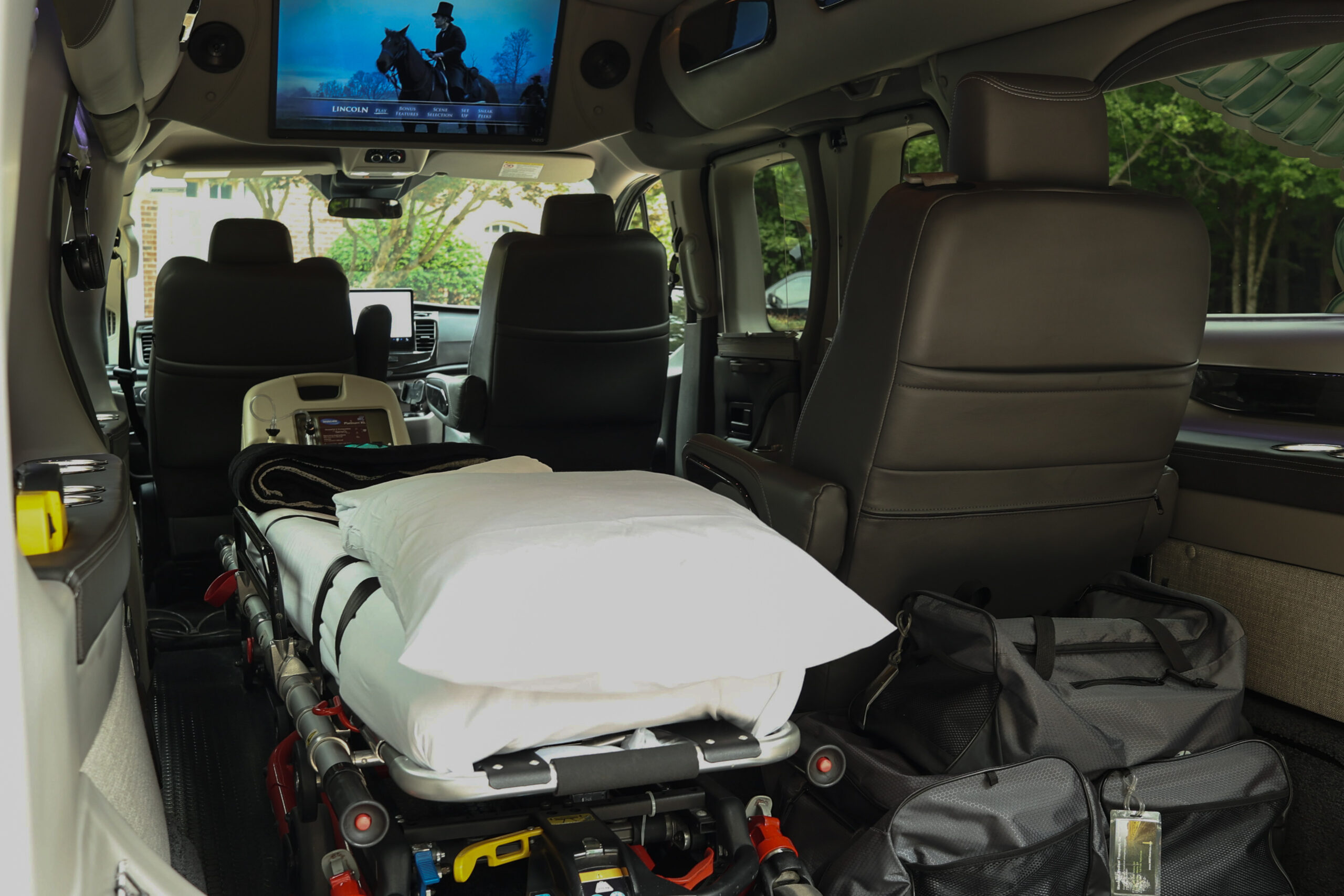
The image showcases a luxury minivan equipped with a stretcher and comfortable seating, ideal for long-distance medical transport. This setup emphasizes Managed Medical Transport, Inc.'s commitment to providing safe and comfortable transportation for patients in need.

Professional Insight: The Spring Detail Most People Miss

In practice, we often see spring trips go smoother when families treat the transport day like a “mobile handoff,” not just a long drive. When the care routine is written down, supplies are packed for realistic timing, and the receiving contact is confirmed, the day tends to feel calmer and more predictable for everyone involved.

When It’s Time to Bring in a Long-Distance Transport Professional

Consider professional support for long-distance, non-emergency medical patient transportation when:

  • The patient is non-ambulatory or bed-bound: long rides can require structured positioning and comfort planning.
  • The trip is over 300 miles: longer distances increase the need for predictable routines, planned stops, and coordination.
  • Oxygen, feeding tubes, or incontinence care are part of the existing routine: continuity matters, and supplies/timing should be planned.
  • Cognitive impairment is involved: dementia or Alzheimer’s can make unfamiliar travel stressful without a clear plan and consistent communication.
  • The move involves cross-border logistics (U.S./Canada): documentation and receiving coordination can be more complex.

Frequently Asked Questions

What makes spring trips different for non-emergency patient transportation?

Spring often brings more variable travel timing and busier facility schedules. Planning buffers, confirming handoffs, and organizing the patient’s existing routine can reduce day-of surprises.

Is this type of long-distance service the same as an ambulance?

No. Long-distance, non-emergency medical patient transportation is not emergency response and does not provide emergency care. It’s designed to support safe travel while maintaining an existing prescribed care plan.

How early should we start planning a seasonal relocation or transfer?

If you have a likely discharge, facility transfer, or relocation, starting coordination earlier can help secure dates, confirm paperwork requirements, and align the transport plan with the patient’s routine.

What information should we have ready before booking?

Have the pickup and destination details, the patient’s mobility needs, and a written outline of the existing care plan (medication timing, feeding routines, oxygen needs if applicable, and any dietary instructions provided by the care team).

Can a family member ride along during the trip?

Some long-distance providers allow one family member to accompany the patient. If that’s important to you, confirm the policy during scheduling and plan for a full travel day.

Your Next Steps This Spring

Spring planning is about making the transport day predictable: confirm the handoff, document the existing routine, and pack for comfort and dignity—not just distance. Small steps like written schedules and early coordination can reduce stress for the patient and everyone supporting them. If you’re arranging a long trip, clarifying whether the situation fits non-emergency transport is a smart first move.

Book Your Consultation

Schedule a free consultation with our experts.

REQUEST A QUOTE

Read more Spring Travel Risks for Medical Transport
Medical Transport Trends Families Should Know

Medical Transport Trends Families Should Know

Families arranging long-distance, non-emergency medical patient transportation are seeing a quiet shift in expectations: more transparency, more comfort, and more coordination—without turning the trip into a clinical event. These medical transport trends matter most when you’re planning a move between facilities, relocating closer to family, or coordinating a complex discharge where timing and communication are everything. If you’re a caregiver, discharge planner, or adult child trying to do the right thing from several states away, the “new normal” can feel like a lot to compare at once. Spring is also a common season for transitions—moves, care plan changes, and fresh starts—so planning pressure tends to rise. The goal of this update is simple: understand what’s changing, what to ask, and how to reduce risk while keeping the process manageable.

For a plain-language foundation before you compare options, see Understanding Long-Distance Medical Patient Transport.

The Essentials: Today’s Medical Transport Trends

  • More “care continuity” expectations: Families increasingly look for transports that can follow an existing prescribed care plan (med schedules, hydration, oxygen routines) during the trip.
  • Comfort is treated as a safety factor: Longer trips put more focus on positioning, bedding, and motion reduction—especially for non-ambulatory patients.
  • Real-time visibility is becoming standard: Updates and vehicle tracking help reduce anxiety and prevent coordination gaps with receiving facilities.
  • Clear non-emergency boundaries matter more: People want to understand what a provider does—and does not do—so there’s no confusion about emergency response or clinical treatment.
  • Pricing transparency is under the microscope: Families increasingly ask whether quotes are flat-rate and what’s included (stops, tolls, meals, mileage).

What’s Driving These Shifts in Non-Emergency Patient Transportation

Several forces are pushing the industry toward clearer, more family-centered logistics. First, more care is happening across multiple settings—hospital, rehab, skilled nursing, hospice, and home—so the handoff between locations has become a major stress point. Second, families are often coordinating from a distance, which makes communication and predictability feel non-negotiable. Third, patients who are non-ambulatory or cognitively impaired may need a transport plan that prioritizes comfort and routine, not speed.

One important clarification: many people casually use phrases like “long-distance ambulance” when they mean stretcher-based travel. In reality, long-distance non-emergency medical patient transportation is designed for stable situations and does not replace hospital care, physicians, or emergency services.

The image features a compact van, which is essential for managed medical transport services. This vehicle type is ideal for long-distance medical transport, ensuring safe and efficient transportation for patients.

The Real-World Impact: Cost, Coordination, and Patient Comfort

These trends change what “good planning” looks like. Better communication and tracking can reduce missed connections with facilities, especially when admission windows or discharge timing shift. Comfort-forward setups can make long rides more tolerable for patients who are bedridden, on oxygen, or prone to nausea—without implying any new medical treatment is being provided.

Cost-wise, transparency helps families compare apples to apples. A low initial quote can become expensive if it excludes essentials (like tolls or planned stops) or if the provider’s scope doesn’t match the patient’s mobility and care needs. The practical takeaway: the cheapest option on paper isn’t always the lowest-risk option for a medically complex, long-distance move.

Common Comparison Mistakes Families Make (Checklist)

  • Assuming every option is “medical” in the same way: Some services are closer to rideshare models, while others are built for non-ambulatory patient logistics and routine support.
  • Not confirming the transport is non-emergency by design: If your situation may become urgent, you need a different pathway than scheduled, non-emergency transport.
  • Skipping the comfort details: Ask about positioning, stretcher orientation (forward-facing vs. sideways), and bedding for long trips.
  • Forgetting the care-plan handoff: If the patient has scheduled meds, feeding routines, oxygen, or repositioning needs, clarify how the existing prescribed plan is maintained during travel.
  • Not asking who is actually doing the transport: Verify whether vehicles and staff are part of the same organization or if the trip is handed off to third parties.
  • Comparing quotes without a written “what’s included” list: This is where families get surprised by add-ons and exclusions.
The image features a minivan, which is commonly used for long-distance medical transport services. This vehicle type is ideal for Managed Medical Transport, Inc. as it provides a reliable and spacious option for transporting patients safely and comfortably.

A Smart Prep Plan for a Long-Distance, Non-Emergency Move (Checklist)

  • Write down the patient’s baseline routine: Include medication schedule, hydration/feeding routine, oxygen needs, and repositioning cadence as prescribed.
  • Confirm mobility requirements early: Note whether the patient is ambulatory, needs wheelchair help, or requires stretcher-based transport.
  • Request a clear scope statement: Make sure it’s scheduled, non-emergency medical patient transportation and understand the boundaries (no diagnosis, no new care plan initiation).
  • Ask about communication cadence: Decide who receives updates and how often, and coordinate with the receiving facility’s intake expectations.
  • Get pricing in writing: Confirm whether it’s flat-rate and what’s included (mileage, tolls, meals, stops).
  • Plan the “day-of” essentials bag: Bring documents, comfort items, and any prescribed supplies needed to maintain the existing routine during travel.

Professional Insight: Where Plans Usually Break Down

In practice, we often see plans unravel not because the trip is long, but because the handoff is unclear—who is updating the family, who is coordinating arrival timing, and what “ready for transport” really means at the sending facility. When those details are confirmed upfront, the day-of experience tends to be calmer for everyone involved.

When It’s Time to Bring in a Transport Professional

  • The patient is non-ambulatory or bed-bound: You’ll want a plan designed for safe transfers and extended comfort.
  • There are prescribed routines that can’t be skipped: For example, scheduled medications, oxygen requirements, feeding routines, or repositioning needs.
  • Cognitive impairment is a factor: Dementia or Alzheimer’s can make unfamiliar environments and long trips more challenging without consistent support.
  • The move crosses state lines or involves US–Canada logistics: More coordination typically means more opportunities for delays without a clear plan.
  • Your timeline depends on facility coordination: If admission/discharge windows are tight, professional communication processes can reduce last-minute confusion.

Common Questions Families Ask Right Now

How is long-distance, non-emergency patient transportation different from a rideshare?

Rideshare is generally designed for standard passenger travel. Long-distance, non-emergency medical patient transportation is built around patient mobility needs, comfort for extended trips, and maintaining an existing prescribed care plan during travel—without providing medical treatment or diagnosis.

Can a family member ride along during the trip?

Some providers allow a family member to accompany the patient. If that’s important to you, confirm the policy early so you can plan logistics and expectations.

What should we ask about pricing so there aren’t surprises?

Ask what the quote includes and excludes, and whether pricing is flat-rate. It’s also reasonable to confirm whether common trip costs—like mileage, tolls, meals, and planned stops—are included.

Is this type of transport appropriate if the patient’s condition could become urgent?

Non-emergency transport is intended for stable situations and does not replace emergency services. If you believe the situation may become urgent, you should use the appropriate emergency pathway rather than scheduled transport.

What details help a provider plan the trip correctly?

Mobility status (ambulatory, wheelchair, stretcher), prescribed medication schedule, oxygen needs, feeding/hydration routines, cognitive considerations, and the sending/receiving facility contact information are commonly useful planning details.

The Path Ahead for Families Planning a Move

As expectations rise, the best outcomes tend to come from clearer scope, better communication, and comfort-forward planning—not from last-minute scrambling. The most helpful approach is to compare providers on fit: patient mobility support, ability to maintain existing prescribed routines, and coordination practices. If you’re evaluating options, use the checklists above to reduce surprises and keep the process grounded in what the patient actually needs. These medical transport trends are ultimately about making long-distance transitions more predictable for families and safer-feeling for patients.

Get in Touch

Fill out our quick form and we’ll get back to you within 24 hours.

REQUEST A QUOTE

Read more Medical Transport Trends Families Should Know
2026 Planning Update: What Families Should Know About Scheduling Long-Distance Non-Emergency Medical Patient Transportation (Lead Times, Paperwork, Coordination)

2026 Planning Update: What Families Should Know About Scheduling Long-Distance Non-Emergency Medical Patient Transportation (Lead Times, Paperwork, Coordination)

Planning to move a loved one between care settings is rarely simple, and the logistics get harder when the trip is hundreds of miles. Families, caregivers, and discharge planners are increasingly asking how to schedule long-distance non-emergency medical patient transportation in a way that avoids last-minute surprises—especially when paperwork, medication routines, and receiving-facility coordination all need to line up. During the winter months, travel timing and comfort planning can add another layer of coordination without changing the non-emergency nature of the trip.

This update focuses on what’s changing in the broader long-distance, non-emergency medical patient transportation landscape: more structured discharge processes, tighter facility intake windows, and higher expectations for documentation and communication. If you understand the moving pieces early, you can set a realistic timeline, reduce delays, and protect continuity of the patient’s existing prescribed care plan. For a baseline overview of how these services work, see Understanding Long-Distance Medical Patient Transport.

The Essentials for 2026 Scheduling (Lead Time, Documents, Coordination)

  • Start with the “ready-to-travel” question: confirm the sending facility’s discharge requirements and the receiving facility’s intake requirements before you lock a date.
  • Expect more documentation checkpoints: facilities commonly require written handoff details and contact info for responsible parties (family, POA, case manager).
  • Build in coordination time: aligning pickup windows, intake hours, and family availability often takes longer than the drive itself.
  • Plan for care continuity, not new care: long-distance non-emergency medical patient transportation should follow the patient’s existing prescribed care plan (medication schedule, oxygen needs, feeding routines) rather than introducing new interventions.
  • Clarify the service model: this is not on-demand rideshare; it’s a planned, non-emergency medical patient transport with defined scope and safety boundaries.

What’s Changing in Non-Emergency Long-Distance Transport Planning

Across healthcare transitions, the trend is toward more standardized handoffs and clearer accountability. That affects long-distance, non-emergency medical patient transportation in a few practical ways:

  • More formal discharge workflows: hospitals and facilities may require specific pickup windows, discharge packets, and named contacts who can authorize changes.
  • Tighter receiving-facility intake rules: many facilities only accept arrivals during set hours, and they may require advance confirmation of room readiness.
  • Higher expectations for communication: families often want predictable update cadence and clear escalation paths for non-emergency issues (comfort, delays, coordination questions).
  • Greater emphasis on patient comfort over long distances: families are asking more about positioning, bedding, motion comfort, and planned stops—especially for non-ambulatory patients.

None of these trends change the core boundary: these trips are non-emergency and are not a substitute for hospitals, physicians, or emergency services. The goal is safe, comfortable, planned movement while maintaining the existing care plan during transit.

The image features a compact van, which is essential for managed medical transport services. This vehicle type is ideal for long-distance medical transport, ensuring safe and efficient transportation for patients and healthcare professionals.

The Real-World Impact: Time, Cost Predictability, and Fewer Delays

When planning expectations are unclear, families can run into preventable friction. The most common impacts show up in three areas:

  • Timeline risk: if the receiving facility can’t accept the patient at the planned time, you may face rescheduling and extended stays where the patient currently is.
  • Continuity risk: rushed planning makes it harder to keep medication schedules, feeding routines, hydration, oxygen needs, and comfort measures consistent during the trip.
  • Budget uncertainty: unclear scope (what’s included, what’s not, who rides along, how stops work) can create confusion—especially when comparing planned medical transport to on-demand ride options that aren’t designed for non-ambulatory care needs.

The practical takeaway: a little more planning time up front tends to reduce day-of complications and helps everyone—family, sending facility, receiving facility, and transport team—operate from the same playbook.

Coordination Mistakes to Avoid (Quick Checklist)

  • ☐ Waiting for “discharge day” to start scheduling: facility paperwork and acceptance calls often take longer than expected.
  • ☐ Not confirming receiving-facility intake hours: arrival outside intake windows can trigger delays or refused handoff.
  • ☐ Assuming any transport option can handle non-ambulatory needs: planned medical patient transport differs from rideshare models in scope, staffing, and equipment.
  • ☐ Missing the medication and routine handoff details: even when no new care is provided, continuity depends on accurate schedules and supplies being ready.
  • ☐ Unclear decision-maker chain: if the transport team can’t reach the right person for non-emergency coordination questions, small issues can become big delays.
  • ☐ Overlooking comfort logistics: positioning preferences, incontinence supplies, and planned stops should be discussed before pickup.

A Smart Planning Workflow Families Can Use

  • ☐ Identify the coordinating lead: choose one primary family contact (or case manager) to centralize calls and approvals.
  • ☐ Confirm eligibility and scope: verify the trip is non-emergency and clarify what “maintaining the existing prescribed care plan” means for this patient.
  • ☐ Gather the essential documents: discharge packet, face sheet/demographics, insurance details if applicable to the facility process, and receiving-facility acceptance/contact info.
  • ☐ Create a care-continuity checklist: medication schedule, feeding routine, hydration plan, oxygen requirements, repositioning needs, swallow precautions, and comfort measures (as already prescribed).
  • ☐ Align pickup and intake windows: confirm the sending facility’s earliest-ready time and the receiving facility’s acceptance window before finalizing.
  • ☐ Decide on family ride-along logistics: confirm whether one family member will ride with the patient and what they should bring for the trip.
  • ☐ Set an update plan: agree on who receives updates and how they’ll be shared during transit.
The image showcases a luxury minivan equipped with a stretcher and comfortable seating, ideal for long-distance medical transport. This setup emphasizes Managed Medical Transport, Inc.'s commitment to providing safe and comfortable transportation for patients in need.

Professional Insight: Where Plans Usually Break Down

In practice, we often see planning break down at the “middle seam”—the moment when the sending facility says the patient is ready, but the receiving facility isn’t fully prepared to accept the handoff. When families anticipate that seam and confirm intake requirements early (hours, point-of-contact, and acceptance confirmation), the entire process tends to feel calmer and more predictable.

When It’s Time to Involve a Transport Professional

Consider getting professional help coordinating long-distance, non-emergency medical patient transportation when any of the following are true:

  • The trip is over 300 miles and the patient cannot sit upright for the full journey.
  • The patient has time-sensitive routines (medications, feeding tubes, oxygen needs, diabetic care routines) that must be maintained during transit.
  • Multiple parties must align (hospital discharge, receiving facility intake, family travel, POA approvals).
  • Cognitive impairment is a factor (such as dementia) and consistent, calm continuity is important.
  • You need clear scope boundaries so everyone understands this is non-emergency transport and not a replacement for clinical care.

Common Questions Answered

How far in advance should we start planning a non-emergency long-distance patient move?

As early as you can once a transfer is being considered. The biggest timing variables are usually paperwork readiness, pickup windows at the sending facility, and intake hours at the receiving facility.

What paperwork is typically needed for a facility-to-facility transfer?

Requirements vary by facility, but commonly include a discharge packet, patient demographics/face sheet, receiving-facility acceptance details, and clear contact information for the responsible decision-maker.

Is this the same thing as a medical rideshare or on-demand ride service?

No. Long-distance, non-emergency medical patient transportation is planned and coordinated for patients who may be non-ambulatory or need continuity of an existing prescribed care plan during travel, which differs from on-demand ride models.

Can a family member ride along during the trip?

Many non-emergency long-distance medical patient transport models allow one family member to ride with the patient. Confirm ride-along rules and space constraints during scheduling.

Does the transport team provide medical treatment during transit?

Non-emergency long-distance medical patient transportation is not medical treatment or diagnosis. The focus is on safe transport and maintaining the patient’s existing prescribed care plan during the trip, not initiating new interventions.

The Path Ahead

Planning expectations for long-distance, non-emergency medical patient transportation are becoming more structured, with greater emphasis on documentation and coordinated handoffs. If you align discharge readiness, receiving-facility intake, and the patient’s existing routines early, you can reduce avoidable delays and keep the trip more predictable. The best plans are simple, written down, and shared with every party involved. When the move involves complex coordination or non-ambulatory needs, professional support can make the process easier to manage.

Get in Touch

Fill out our quick form and we’ll get back to you within 24 hours.

REQUEST A QUOTE

Read more 2026 Planning Update: What Families Should Know About Scheduling Long-Distance Non-Emergency Medical Patient Transportation (Lead Times, Paperwork, Coordination)
Case Study: Hospital-to-Home Over 300 Miles for a Non-Ambulatory Patient (Planning, Handoff, and Care Continuity)

Case Study: Hospital-to-Home Over 300 Miles for a Non-Ambulatory Patient (Planning, Handoff, and Care Continuity)

Coordinating a hospital-to-home move for a non-ambulatory loved one over 300 miles can feel like a high-stakes puzzle: discharge timing, mobility needs, comfort, and a care routine that can’t simply be “paused” for a full day of travel. This hospital to home long-distance non-emergency medical patient transportation case study is written for family decision-makers, caregivers, and discharge planners who want a clear picture of what the process can look like—without confusing it with on-demand rides or clinical care. As spring transitions bring more relocations and care setting changes, it’s a common moment for families to reassess where “home” should be. The goal here is to set expectations for planning, handoff, and maintaining an existing care plan during a long trip.

For a deeper primer on what this service is (and what it isn’t), see Understanding Long-Distance Medical Patient Transport.

Bottom Line Upfront: What This Case Shows

  • A successful long trip typically hinges on aligning discharge readiness, receiving-home setup, and a clear handoff plan.
  • Non-emergency long-distance medical patient transportation focuses on maintaining an existing prescribed care plan—not creating or changing one.
  • For non-ambulatory patients, forward-facing stretcher positioning and comfort layering can matter over many hours on the road.
  • Clear medication, nutrition, hydration, and toileting/incontinence routines should be documented before pickup to avoid preventable delays.
  • Family updates and a single ride-along option can reduce uncertainty during a long hospital-to-home transition.

Case Background: A 300+ Mile Hospital-to-Home Transition

Patient profile (generalized): An older adult, non-ambulatory, recently stabilized in a hospital setting and cleared for discharge with an existing care plan. The patient required assistance with repositioning, had incontinence needs, and followed a structured medication schedule. The family’s priority was a safe, comfortable trip home without disrupting established routines.

Family goal: Move the patient from hospital discharge to home—over 300 miles away—while keeping comfort, dignity, and routine front and center.

Why this is a “process & expectations” case: The transport itself is only one piece. The real work is coordinating the handoff between a clinical environment and a home environment across a long distance, with no room for improvisation.

compact van, minivan, van, ford transit

The Core Challenge: Handoff Details That Make or Break the Trip

This situation wasn’t about “getting a ride.” It was about executing a controlled transition where multiple small details—if missed—could create discomfort, confusion, or delays.

Key friction points the family faced:

  • Discharge timing uncertainty: The family needed a pickup window that could flex with hospital workflow while still protecting the patient’s routine.
  • Non-ambulatory mobility needs: Transfers had to be handled carefully and consistently, with the patient remaining appropriately supported.
  • Care continuity during travel: The patient’s existing schedule (medications, hydration, comfort measures, repositioning) needed to continue during the trip.
  • Home readiness: The receiving home had to be prepared for arrival—bed setup, clear pathways, and a plan for the first hour after entry.

The Approach: Planning the Pickup, Transfer, and On-Road Routine

This case followed a practical, step-by-step approach designed to reduce surprises. The focus stayed on logistics and continuity of the patient’s existing prescribed plan—no new medical interventions were introduced.

1) Pre-transport alignment (before the vehicle arrives)

  • Discharge packet review: Confirmed the patient’s current medication list, timing, diet instructions, and mobility notes were available for reference.
  • Family point-person assigned: One person was designated to communicate with hospital staff and the transport team to avoid mixed messages.
  • Trip pacing planned: Built in reasonable stops for comfort needs and routine continuity (as appropriate to the care plan).

2) Day-of handoff at the hospital

  • Identity and readiness confirmation: Ensured the patient was ready for discharge and personal essentials were gathered.
  • Transfer plan clarified: Confirmed how the patient would be moved from bed to stretcher and what positioning was most comfortable.
  • Family communication plan set: Established how updates would be shared during the trip.

3) In-transit care continuity (non-emergency)

  • Routine maintenance: Followed the existing schedule for medications, hydration, and comfort measures as documented and supplied.
  • Comfort-first setup: Used a forward-facing stretcher orientation and supportive bedding layers to reduce discomfort on a long ride.
  • Repositioning awareness: Stayed attentive to scheduled turning/repositioning needs when part of the existing plan.

4) Arrival and home entry

  • Clear arrival coordination: Confirmed the receiving party was ready at the home before arrival.
  • Direct-to-bed transfer planning: Minimized unnecessary transitions once inside the home environment.
  • First-hour stability focus: Prioritized comfort, safe positioning, and settling into the home routine.
The image features a compact van, which is essential for managed medical transport services. This vehicle type is ideal for long-distance medical transport, ensuring safe and efficient transportation for patients and healthcare professionals.

Results: What Went Smoothly (and Why)

In this case, the most meaningful outcome wasn’t “speed.” It was a controlled, calm transition that respected the patient’s dignity and reduced stress for the family.

Observed outcomes from the process:

  • Fewer last-minute scrambles: Having the discharge documents, supplies, and a single family point-person reduced confusion at pickup.
  • Better comfort over many hours: Planning for positioning, bedding, and routine breaks supported a steadier trip experience.
  • Clear expectations for everyone: The family understood the non-emergency scope: continuity of an existing plan, not clinical decision-making.
  • Reduced family anxiety: Consistent updates and predictable steps made the day feel manageable.

What This Hospital-to-Home Long-Distance Non-Emergency Medical Patient Transportation Case Study Teaches

This hospital to home long-distance non-emergency medical patient transportation case study highlights a simple truth: long trips go better when you treat them like a handoff project, not a vehicle reservation.

Key lessons:

  • “Ready for discharge” and “ready for travel” are related but not identical. Confirm the patient can tolerate the planned duration and positioning within the existing plan.
  • Documentation prevents delays. A clear, accessible care schedule helps everyone stay aligned without guesswork.
  • Home readiness is part of transport readiness. The trip ends when the patient is safely settled—not when the vehicle parks.

Common Missteps in 300+ Mile Hospital-to-Home Moves (Checklist)

  • Assuming any “medical ride” is the same: On-demand rides and clinical services operate differently than planned, non-emergency long-distance medical patient transportation.
  • No single decision-maker: When five people text five different updates, the plan turns into a group chat—fun for memes, not for discharge coordination.
  • Missing the real care schedule: Relying on memory instead of a written routine can lead to preventable discomfort and confusion.
  • Forgetting the first hour at home: If the bed isn’t ready or pathways aren’t clear, arrival becomes an avoidable obstacle course.
  • Overpacking the wrong items: Entertainment is nice; essentials (documents, prescribed supplies, comfort items) are critical.

A Practical Prep Plan Families Can Reuse (Checklist)

  • Request a clear discharge packet: Include current meds list, diet notes, mobility notes, and any timing considerations.
  • Write a one-page routine sheet: Medication times, hydration/feeding routine (if applicable), repositioning schedule (if applicable), comfort preferences.
  • Pack a “reachable bag”: Documents, wipes, gloves, spare linens, prescribed supplies, and comfort items that must be accessible during travel.
  • Confirm home setup before pickup: Bed location, clear pathways, lighting, and who will meet the vehicle.
  • Choose a single family point-person: One communicator prevents crossed wires with facilities and the transport team.
  • Plan for a calm arrival: Aim for a quiet first hour to settle, reposition, and re-enter routine.

Professional Insight: The Small Detail That Usually Matters Most

In practice, we often see the smoothest hospital-to-home long-distance transitions when families treat the care routine like a travel itinerary—written down, easy to reference, and shared with everyone involved. It’s not glamorous, but it’s the difference between a coordinated day and a stressful one.

When It’s Time to Ask for Professional Transport Support

Consider getting professional help for a long trip when:

  • The patient is non-ambulatory and needs stretcher-based positioning and assisted transfers.
  • The trip is over 300 miles and maintaining comfort and routine becomes harder with standard travel options.
  • The patient has an established care schedule (medications, oxygen requirements, feeding routines, repositioning) that must continue during travel.
  • Family members can’t safely manage the physical demands of transfers, repositioning, and extended travel time.
  • You need predictable communication and coordinated arrival planning rather than an on-demand pickup model.

Common Questions Answered

Is this type of service the same as an on-demand rideshare with a wheelchair option?

No. Long-distance, non-emergency medical patient transportation is typically planned in advance and designed around mobility needs, comfort, and maintaining an existing prescribed care routine during a long trip.

Can a family member ride along during the trip?

Managed Medical Transport, Inc. allows one family member to ride with the patient, which can help with reassurance and continuity during a long transition.

What kinds of patient needs can be supported during a long trip?

Depending on the patient’s existing prescribed plan, support can include maintaining medication schedules, hydration, comfort measures, oxygen requirements, incontinence care, and scheduled repositioning.

Do you provide medical treatment or change the care plan during transport?

No. Managed Medical Transport, Inc. does not provide medical treatment or diagnosis and does not initiate new care plans. The focus is on maintaining the patient’s existing prescribed care plan during non-emergency transport.

How does pricing typically work for long-distance trips?

Managed Medical Transport, Inc. offers flat-rate, all-inclusive pricing for long-distance medical patient transports over 300 miles, with no additional fees for mileage, tolls, meals, or stops.

Where to Go from Here

A long hospital-to-home move over 300+ miles is doable when you plan the handoff, document the routine, and prepare the home environment before wheels roll. The most reliable outcomes come from aligning expectations: this is non-emergency transportation designed to maintain an existing care plan—not a substitute for clinical care. If you’re coordinating a complex discharge, having a clear process can reduce stress for everyone involved.

Get Your Free Quote

Find out how we can help with a no-obligation quote.

REQUEST A QUOTE

Read more Case Study: Hospital-to-Home Over 300 Miles for a Non-Ambulatory Patient (Planning, Handoff, and Care Continuity)
What “Care Continuity” Means During Non-Emergency Long-Distance Medical Patient Transportation

What “Care Continuity” Means During Non-Emergency Long-Distance Medical Patient Transportation

Care continuity during medical transport matters most when a patient’s routine can’t be paused just because they’re traveling. If you’re a family member, caregiver, discharge planner, or facility coordinator arranging a long trip for someone who is medically fragile, the big question is usually the same: “How will their day-to-day care be handled on the road?” This guide explains what “care continuity” means in a non-emergency, long-distance setting, what it typically includes, and what it does not include.

It also helps you set expectations, gather the right information, and reduce avoidable handoff problems between a hospital, facility, and destination home or facility. For a broader foundation on how these trips work, see Understanding Long-Distance Medical Patient Transport.

Quick Answer

  • “Care continuity” means the transport team follows the patient’s existing prescribed care plan during the trip (not a new plan).
  • It commonly involves keeping schedules consistent for medications, hydration, feeding routines, comfort measures, oxygen use, and prescribed diabetic routines.
  • The transport is non-emergency and does not replace a hospital, physician, or EMS.
  • You should expect clear pre-trip coordination so the team knows what the patient needs and when.
  • A strong plan includes written instructions, an organized medication list, and a clear handoff at pickup and drop-off.

What this means

In plain terms, care continuity is about keeping the patient’s normal, already-prescribed routine consistent while they travel long distance. The goal is to avoid gaps that can happen during transitions—like missed doses, skipped feedings, unmanaged comfort needs, or confusion about oxygen settings—by aligning the trip plan to the patient’s established regimen.

In non-emergency long-distance medical patient transportation, this is not “treatment on wheels.” The transport team is not there to diagnose, change prescriptions, or start new interventions. Instead, the focus is logistical and supportive: maintain what the patient’s licensed clinicians have already ordered, and keep communication clear across the handoff points.

Why it matters

Long trips amplify small problems. A routine that’s manageable in a facility can become complicated during a 300+ mile transfer if it isn’t planned in detail. Continuity planning matters because it can affect:

  • Time: Missed information at pickup can create delays while staff confirm orders, locate medications, or clarify who is responsible for what.
  • Safety and comfort: Patients who require scheduled repositioning, oxygen, or feeding routines may experience preventable discomfort if timing is unclear.
  • Cost predictability: Avoiding last-minute surprises (missing paperwork, unready medications, unclear destination acceptance) helps keep the transfer smoother.
  • Care transitions: The receiving facility or home caregiver often needs a clean handoff summary to continue the same plan after arrival.

Common mistakes to avoid (Checklist)

  • Assuming “the facility will handle it” without confirming details: Always verify who provides the medication list, what travels with the patient, and what must be obtained before pickup.
  • Sending incomplete medication information: A partial list (missing dose timing, route, or special instructions) can create confusion and interruptions.
  • Not documenting nutrition and swallow precautions: If a patient has a feeding tube or a specialized diet (e.g., pureed), that needs to be stated clearly in writing.
  • Overlooking repositioning/turning schedules: If the patient requires scheduled turning, it should be included as a timed plan, not a vague note.
  • Confusing non-emergency transport with EMS: If the patient is unstable or may need emergency intervention, non-emergency transport may not be appropriate.
  • Forgetting destination readiness: Confirm the receiving home/facility can accept the patient at the planned arrival time and has needed supplies/equipment ready.

Best practices / Preparation checklist (Checklist)

  • Create a written “care routine timeline” for travel day: Include medication times, feeding times, hydration plan, repositioning schedule, and oxygen requirements as already prescribed.
  • Provide a complete medication list: Name, dose, route, timing, and any administration notes from the existing care plan.
  • Confirm what travels with the patient: Medications, feeds, supplies for incontinence care, comfort items, and any required documentation.
  • Document cognitive and communication needs: Note dementia/cognitive impairment considerations and what helps the patient stay calm and oriented.
  • Clarify mobility and transfer needs: State whether the patient is non-ambulatory, bedridden, or requires a stretcher, and confirm safe transfer points at pickup and drop-off.
  • Align the handoff: Identify a point person at pickup and at destination for questions and confirmation of arrival.
  • Plan for updates: Decide who receives trip updates and ensure contact numbers are correct before departure.

Pro Tip from the Field

In practice, we often see the smoothest long-distance transfers when families or facilities provide a simple one-page travel-day schedule (medications, feeding, hydration, turning, oxygen) that matches the existing orders—because it reduces “interpretation” and keeps everyone aligned from pickup through arrival.

When to consider professional help

Consider professional non-emergency long-distance medical patient transportation when the trip is over 300 miles and the patient’s needs make standard travel unrealistic or unsafe from a comfort and continuity standpoint. Common thresholds include:

  • Non-ambulatory or bed-bound status: The patient cannot safely sit upright in a standard vehicle for extended periods.
  • Time-sensitive routines: The patient has a strict schedule for medications, feeding, hydration, oxygen, or repositioning that must be maintained during travel.
  • Cognitive impairment: Dementia/Alzheimer’s or similar conditions where structured support and predictable handling reduce distress during transitions.
  • Incontinence or hygiene support needs: The patient requires planned, dignified assistance during a long trip.
  • Cross-state or cross-province complexity: The move involves multiple jurisdictions and a longer travel window where coordination matters.
  • Uncertainty about stability: If there is concern the patient may require emergency intervention, consult the discharging clinical team to determine the appropriate level of transport (non-emergency vs. emergency services).

FAQs

Does the transport team change medications or make new medical decisions during the trip?

No. In non-emergency long-distance medical patient transportation, the role is to follow the patient’s existing prescribed care plan and routines; new treatment plans or diagnoses are not initiated during transport.

What information should I provide so the patient’s routine stays consistent while traveling?

Provide a complete, written schedule for the travel day based on current orders: medication times and routes, feeding/hydration routines, oxygen requirements, repositioning timing (if prescribed), and any diet or swallow precautions.

Can a family member ride along during a long trip?

Some non-emergency long-distance medical patient transportation providers allow one family member to ride with the patient. Confirm this during scheduling so expectations and seating arrangements are clear.

How is this different from rideshare or on-demand “medical Uber” style options?

Rideshare models are typically designed for standard passenger trips and may not support stretcher transport, non-ambulatory needs, or structured adherence to an existing care routine over long distances. Non-emergency medical patient transportation is planned in advance around the patient’s mobility and care requirements.

What if the patient’s condition worsens during the trip?

Non-emergency transport is not a substitute for emergency services. If a patient is at risk of needing emergency intervention, discuss the situation with the discharging care team before travel to determine the appropriate level of transport.

Summary & Next Step

Care continuity during medical transport is about keeping a patient’s established routine intact across a long-distance, non-emergency transfer. The most reliable outcomes come from clear written schedules, complete medication and nutrition information, and coordinated handoffs at pickup and destination. When the trip is 300+ miles and the patient is non-ambulatory or has time-sensitive routines, planning becomes the difference between a stressful move and a controlled transition.

Learn More About Our Services

Discover how we can help you achieve your goals.

Learn More

Read more What “Care Continuity” Means During Non-Emergency Long-Distance Medical Patient Transportation
United States to Canada (and Canada to United States): A Practical FAQ for Cross-Border Non-Emergency Medical Patient Transportation

United States to Canada (and Canada to United States): A Practical FAQ for Cross-Border Non-Emergency Medical Patient Transportation

Planning cross-border non-emergency medical patient transportation can feel overwhelming when a loved one needs to move between the United States and Canada. Families, caregivers, discharge planners, and facilities often have the same core concerns: whether the trip is truly non-emergency, what paperwork is needed, how medications and oxygen are handled en route, and what “safe and comfortable” really looks like over long distances. These details matter because long trips add complexity—timing, coordination between facilities, and maintaining the patient’s prescribed routine without interruptions. If you’re trying to avoid last-minute surprises, it helps to understand what a long-distance, non-emergency medical transport provider can (and cannot) do, how planning typically works, and what information you’ll want ready before booking.

For a broader overview of how these trips are structured, see Understanding Long-Distance Medical Patient Transport.

Quick Answer

  • Cross-border trips are typically planned, scheduled, and non-emergency—they are not a substitute for 911/EMS care.
  • You’ll usually need clear pickup/drop-off details, patient mobility needs, and the current prescribed care plan (medications, oxygen, diet, and comfort routines).
  • Expect coordination around timing (facility discharge windows, receiving-facility acceptance, and border crossing logistics).
  • Long-distance medical patient transports are generally designed to maintain an existing care plan during travel—not to start new treatment.
  • Build in time for documentation review and a realistic travel schedule, especially when the patient needs repositioning, feeding routines, or frequent comfort stops.

What this means

Cross-border non-emergency medical patient transportation refers to planned, long-distance travel for a patient who is stable enough to move without emergency response. The focus is logistical and supportive: getting the patient from one care setting to another (or to home) while maintaining the patient’s existing prescribed routine as closely as possible. This commonly includes scheduled medications, hydration, feeding routines (when applicable), oxygen requirements, and comfort measures. It also means the transport is arranged ahead of time with clear pickup and drop-off expectations—rather than on-demand rideshare or emergency ambulance response.

Why it matters

Crossing an international border adds coordination steps that can affect timing and continuity of care. If the plan is unclear, families can run into delays at discharge, missed handoffs at the receiving facility, or gaps in the patient’s routine during a long day of travel. A well-scoped plan helps you protect what matters most: the patient’s comfort, predictable scheduling, and clear communication for everyone involved. It also helps set the right expectations—non-emergency transport is built around stability and planning, not urgent medical intervention.

Common mistakes to avoid (Checklist)

  • Assuming it’s “like an ambulance”: Non-emergency transport is not 911/EMS and does not provide emergency response or critical care.
  • Waiting until the discharge day to coordinate: Cross-border moves often require more lead time for scheduling and documentation alignment.
  • Not sharing the current prescribed routine: Medication timing, feeding schedules, oxygen needs, and repositioning requirements should be communicated clearly.
  • Underestimating comfort needs on a long trip: Long-distance travel can be tiring; plan for appropriate stops and comfort measures.
  • Using rideshare for complex mobility needs: On-demand rideshare typically isn’t set up for stretcher-based travel or continuity of a prescribed care plan.

Best practices / Preparation checklist (Checklist)

  • Confirm the patient is appropriate for non-emergency travel and that the sending provider/facility agrees with the plan.
  • Collect key details: diagnosis summary (non-clinical), mobility level, cognitive status, and any special handling needs.
  • Provide the current care plan schedule: medication times, feeding routine (if applicable), hydration preferences, and comfort measures.
  • List equipment needs: oxygen requirements, suction/feeding-tube considerations (as applicable), and incontinence supplies.
  • Coordinate pickup/drop-off: exact addresses, unit/room details, contact names, and timing windows for both sides.
  • Plan for border timing: choose a schedule that avoids unnecessary rushing and allows for routine breaks.
  • Identify who will communicate on travel day (family point-of-contact and facility contacts).

Pro Tip from the Field

In practice, we often see cross-border trips go more smoothly when families treat the travel day like a “mobile care routine”—sharing a simple written schedule (meds, feeds, repositioning, and comfort preferences) so everyone is aligned before the vehicle arrives.

When to consider professional help

Consider a dedicated long-distance, non-emergency medical transport provider when the trip is over 300 miles, the patient is non-ambulatory or requires a stretcher, or the patient’s comfort and routine depend on consistent timing (medications, feeding, oxygen, or repositioning). Professional help is also worth considering when multiple parties must coordinate—hospital discharge, a receiving facility, and family—especially across an international border where timing variability is common. If the patient’s condition is unstable or could require emergency intervention, this is not an appropriate use case for non-emergency transport; seek guidance from the treating medical team and use emergency services if needed.

FAQs

How do I know if an international transfer is considered non-emergency?

Generally, it’s non-emergency when the patient is stable enough for planned travel and does not require 911-level response, emergency monitoring, or critical care during the trip. The sending medical team or facility is typically the best source for confirming whether planned travel is appropriate.

Can a transport team keep my family member on their regular medication schedule during the drive?

Many long-distance non-emergency medical patient transports are organized around maintaining an existing prescribed care plan, including medication timing, hydration routines, and comfort measures. The key is providing clear, written instructions from the current care plan and confirming expectations during scheduling.

What if the patient needs oxygen, a feeding tube routine, or incontinence care?

These needs can often be supported as part of a planned, long-distance non-emergency trip when they are part of the patient’s established routine. Share the current requirements in advance so the transport plan can be matched to the patient’s mobility, comfort, and continuity needs.

Is this the same as a “medical Uber” or on-demand ride?

No. Rideshare is typically designed for general passenger transport and is not built around stretcher-based travel, long-distance continuity of a prescribed care plan, or structured communication with facilities and family. Planned medical patient transportation is scheduled and coordinated differently.

Can a family member ride along on a long trip?

Some providers allow a family member to accompany the patient, which can help with reassurance and communication. Confirm the ride-along policy during scheduling so expectations are clear before travel day.

Summary & Next Step

Crossing between the United States and Canada with a patient is usually manageable when the situation is truly non-emergency and the trip is planned around the patient’s existing routine. The most important steps are confirming eligibility for non-emergency travel, sharing the prescribed care plan schedule, and coordinating pickup/drop-off details on both sides of the border. Avoid last-minute planning and don’t rely on rideshare for complex mobility or stretcher needs. If you want help mapping out timing, requirements, and a clear travel-day plan, the next step is to request scheduling guidance.

Get in Touch

Fill out our quick form and we’ll get back to you within 24 hours.

Contact Us

Read more United States to Canada (and Canada to United States): A Practical FAQ for Cross-Border Non-Emergency Medical Patient Transportation
Flat-Rate, All-Inclusive Pricing for Long-Distance Medical Patient Transportation: What’s Typically Included

Flat-Rate, All-Inclusive Pricing for Long-Distance Medical Patient Transportation: What’s Typically Included

Families often need to move a loved one hundreds of miles and quickly run into the same question: what will the trip cost, and what exactly is included? This guide explains how flat-rate long-distance medical transport pricing typically works for non-emergency medical patient transportation over 300 miles. It’s written for family decision-makers, caregivers, discharge planners, and facilities coordinating a safe, comfortable transfer between care settings. Clear pricing matters because long trips can involve multiple states or provinces, extended travel time, planned stops, and special mobility needs—factors that can create confusing add-ons if you’re not careful. By understanding what “all-inclusive” usually covers (and what it should never claim to cover), you can compare providers more confidently and plan the transition with fewer surprises.

Quick Answer

  • Flat-rate pricing is a single quoted total for a long-distance, non-emergency medical patient transport—rather than a base fee plus per-mile add-ons.
  • All-inclusive commonly means routine trip costs (like mileage and tolls) are built into the quote, reducing surprise charges.
  • Ask for a written breakdown of what’s included (and what could trigger changes) before you schedule.
  • Confirm the transport is non-emergency and that the team will maintain the existing care plan (not start new medical treatment).
  • Verify logistics that affect cost: distance over 300 miles, pickup/drop-off details, mobility level, oxygen needs, and whether one family member will ride along.

What this means

In long-distance, non-emergency medical patient transportation, a flat rate is designed to simplify budgeting: you receive one total price for the trip instead of piecing together multiple line items. “All-inclusive” is a pricing approach that typically bundles common travel-related expenses into that total. It’s especially relevant for transports that exceed 300 miles, where time, route complexity, and patient comfort needs can be significant.

Just as important: non-emergency medical transport is not the same as emergency ambulance service and does not replace a hospital, physician, or EMS. The goal is safe, planned movement of a patient while maintaining an existing prescribed care plan during the journey.

For a broader definition of this type of service and how it differs from rideshare-style options, see Understanding Long-Distance Medical Patient Transport.

Why it matters

Pricing clarity affects more than your budget—it impacts planning, timing, and expectations for everyone involved.

  • Fewer surprises during a stressful transition: When common trip costs are bundled, families can plan with more confidence.
  • Cleaner comparisons between providers: A single quote makes it easier to compare like-for-like, as long as inclusions are clearly defined.
  • Better discharge and admission coordination: Facilities can align pickup and arrival windows when the trip plan is confirmed upfront.
  • Comfort and continuity considerations: Long trips may require scheduled stops, repositioning, and adherence to medication or feeding routines—logistics that should be discussed before pricing is finalized.
  • Risk management: Clear boundaries help ensure you’re booking the right level of service (non-emergency) and not expecting emergency care capabilities.

Common mistakes to avoid (Checklist)

  • Assuming “all-inclusive” means “anything that happens is covered”: Ask what circumstances could change the quote (for example, major itinerary changes or pickup delays).
  • Not confirming the service is non-emergency: If the patient may require emergency intervention en route, you need a different level of care than non-emergency transport.
  • Comparing quotes without matching the patient’s mobility needs: Stretcher vs. ambulatory support and required assistance levels can change what’s appropriate.
  • Overlooking care-plan continuity details: Confirm how the team will follow existing medication schedules, feeding routines, hydration, oxygen, or repositioning needs during travel.
  • Forgetting to ask about who is providing the trip: Verify the vehicle and staff are directly operated by the provider you hire (not a third party).
  • Skipping the “who rides along” question: If a family member needs to accompany the patient, confirm the policy before booking.

Best practices / Preparation checklist (Checklist)

  • Request a written quote that states the total price and explicitly lists what is included (and excluded).
  • Share pickup and drop-off addresses, including facility unit/room details and any access constraints (stairs, elevators, security check-in).
  • Provide the patient’s mobility profile (ambulatory, needs assistance, non-ambulatory, stretcher) and any transfer considerations.
  • Disclose existing care requirements that must be maintained during transport (medication schedule, feeding routine, hydration, oxygen, incontinence care, repositioning).
  • Confirm whether one family member will ride with the patient and what they should bring for the trip.
  • Ask how updates will be provided during the trip and whether real-time tracking is available.
  • Clarify the planned travel window and any time-sensitive needs for admission, discharge, or hospice coordination.
  • Review safety and operational policies before the day of transport; see Safety Protocols in Long-Distance Medical Transport.

Pro Tip from the Field

In practice, we often see the smoothest pricing conversations happen when families share the patient’s current routine (meds, feeding, oxygen, repositioning) and the facility logistics upfront—because the quote can reflect the real trip plan instead of being revised later.

When to consider professional help

Consider working with a professional long-distance, non-emergency medical patient transportation provider when any of the following apply:

  • The trip is over 300 miles and the patient cannot safely tolerate a standard vehicle ride.
  • The patient is non-ambulatory and needs stretcher-based transport and trained assistance with transfers.
  • Existing care routines must be maintained on a schedule (medications, feeding tubes, oxygen, diabetic routines, repositioning).
  • Cognitive impairment is a concern (for example, dementia-related anxiety or confusion) and you need a structured, supportive environment.
  • You need cross-state or cross-province coordination and consistent communication throughout the trip.

If the situation is time-critical or the patient may need emergency intervention, non-emergency transport is not the right fit—seek appropriate emergency services instead.

FAQs

What expenses are usually bundled into an all-inclusive quote?

All-inclusive quotes commonly bundle routine trip costs that can otherwise become add-ons, such as mileage-related charges and typical travel expenses. Always ask the provider to list inclusions in writing so you can compare quotes accurately.

Can a single-price quote change after I book?

It can, depending on the provider and the reason. A good practice is to ask what circumstances could trigger a revision (for example, major changes to pickup/drop-off details, extended delays, or changes in the patient’s transport requirements).

Is this the same as an ambulance?

No. Many people use the term “long-distance ambulance” to describe stretcher-based travel, but these services are non-emergency and differ from ambulance care. Non-emergency medical patient transportation does not provide emergency response or critical care.

How do we plan for medications, feeding, or oxygen during the trip?

Non-emergency long-distance transport typically focuses on maintaining the patient’s existing prescribed care plan during travel. Before booking, share the current routine and confirm how it will be followed during the trip.

What should we ask to compare providers fairly?

Ask for the total price, a written list of inclusions/exclusions, who operates the vehicle and staffing (direct vs. third party), how updates are provided during transport, and what level of assistance is included for the patient’s mobility needs.

Summary & Next Step

Flat-rate pricing can make long-distance, non-emergency medical patient transportation easier to plan by combining common trip costs into one clear quote. The key is confirming exactly what “all-inclusive” covers, whether any conditions could change the price, and how the provider will maintain the patient’s existing care plan during travel. With a written scope and a realistic trip plan, you can compare options confidently and reduce last-minute stress for your family and the sending/receiving facilities.

Learn More About Our Services

Discover how we can help you achieve your goals.

Learn More

Read more Flat-Rate, All-Inclusive Pricing for Long-Distance Medical Patient Transportation: What’s Typically Included
What Is Long-Distance Non-Emergency Medical Patient Transportation (Over 300 Miles)?

What Is Long-Distance Non-Emergency Medical Patient Transportation (Over 300 Miles)?

Planning a medical move for a loved one can feel overwhelming when they can’t safely ride in a standard car or sit upright for hours. This guide is for families, caregivers, and discharge planners trying to understand what long-distance non-emergency medical patient transportation is, who it’s for, and what the process typically involves over trips of 300+ miles. During winter months, longer trips can also involve more planning for comfort and routine needs. The goal isn’t medical treatment—it’s a safe, structured way to relocate a patient between care settings while keeping their existing care plan consistent and minimizing avoidable stress for everyone involved.

For a deeper overview of how these trips are structured, see Understanding Long-Distance Medical Patient Transport.

The Essentials at a Glance

  • It’s non-emergency: This type of transport is designed for stable patients who do not need emergency response or new medical interventions during the trip.
  • It’s long-distance: Typically refers to medical patient transports over 300 miles, often crossing state lines or U.S.–Canada borders.
  • It supports limited mobility: Options may include stretcher-based travel for patients who are non-ambulatory or cannot tolerate prolonged sitting.
  • Care routines stay consistent: The goal is to maintain the patient’s existing prescribed care plan (medications, hydration, oxygen routines, comfort measures) while traveling.
  • Planning is part of the service: Scheduling, routing, and coordinating pickup/drop-off details are central to a smooth transfer.

Long-Distance Non-Emergency Medical Transport Over 300 Miles

This service is a planned, scheduled medical relocation for patients who need more support than a typical car ride but do not require emergency care. It’s commonly used for hospital-to-home transitions, facility-to-facility moves, and long-distance relocations to be closer to family or ongoing care.

In simple terms, the process usually includes:

  • Trip planning: Confirming the patient’s mobility needs, equipment needs (such as oxygen), and timing requirements.
  • Pickup and transfer: Helping the patient move safely from bed-to-stretcher (if needed) and into the transport vehicle.
  • Comfort and routine support en route: Following the patient’s existing schedule for medications, hydration, feeding routines (when prescribed), repositioning, and comfort needs—without initiating new treatment.
  • Arrival and handoff: Coordinating arrival timing and assisting with transfer into the receiving home or facility.

It’s also important to separate this from on-demand rideshare. Medical rideshare is typically designed for ambulatory passengers who can get in and out of a car with minimal assistance. Long-distance medical patient transport is built for extended travel time, higher support needs, and continuity of routine care.

Van with safety features for long-distance medical transport by Managed Medical Transport.

Why This Choice Affects Comfort, Timing, and Continuity of Care

Over 300+ miles, small gaps in planning can become big problems. The stakes are usually practical: keeping the patient comfortable, avoiding missed routine care, and making sure the receiving party is ready at arrival.

Key implications families often care about include:

  • Comfort on long trips: Patients who cannot sit for long periods may need a stretcher-based option to reduce pain, fatigue, or agitation.
  • Predictable scheduling: Facilities and families often need a clear pickup window and estimated arrival time to coordinate staffing, admissions, or home setup.
  • Care continuity: Maintaining the existing care plan (meds, oxygen routines, feeding schedules, repositioning) helps reduce avoidable discomfort and confusion.
  • Family coordination: Communication during the trip can reduce anxiety for family members who can’t travel alongside the patient.

Avoid These Common Mistakes in Non-Emergency Medical Transport

  • Assuming any “medical ride” can handle 300+ miles: Long trips require different planning, staffing, and comfort considerations than local appointments.
  • Not clarifying mobility level: If the patient is non-ambulatory or bed-bound, the transport plan needs to match that reality from the start.
  • Overlooking routine needs: Medication timing, feeding routines, hydration, oxygen use, and incontinence care should be discussed before the trip.
  • Forgetting cognitive or behavioral considerations: Dementia or confusion can change what “comfortable travel” means and may require more preparation and communication.
  • Planning the handoff too loosely: If the receiving facility or home isn’t ready, the arrival can become stressful and disrupt routines.
Minivan with car seat, ideal for safe long-distance medical transport.

A Practical Pre-Trip Checklist for Families and Discharge Planners

  • Confirm the trip is non-emergency: Ensure the patient is stable enough for scheduled transport and does not require emergency response.
  • Write down current routines: List medication times, feeding/hydration routines (if applicable), oxygen flow requirements (as prescribed), and repositioning needs.
  • Document mobility needs: Note whether the patient can stand/pivot, needs a stretcher, or requires extra assistance for transfers.
  • Prepare essential items: Pack prescribed supplies needed during travel (for example, required oxygen equipment, incontinence supplies, and comfort items).
  • Coordinate the receiving handoff: Confirm receiving address, point of contact, and any check-in procedures so arrival is smooth.
  • Set communication expectations: Decide who should receive updates and ensure contact numbers are correct.

Professional Insight: What Most People Miss About 300+ Mile Patient Moves

In practice, we often see that the smoothest long-distance transfers happen when families focus less on the vehicle and more on the patient’s day-to-day routine—then build the travel plan around maintaining that routine as closely as possible.

When It’s Time to Ask for Professional Transport Support

Consider getting help from a long-distance, non-emergency medical patient transport provider when:

  • The patient cannot safely sit upright for extended periods due to mobility limits, fatigue, or discomfort.
  • The trip is 300+ miles and you need a structured plan for breaks, timing, and continuity of routine care.
  • The patient has prescribed routines that must be maintained (medication schedules, oxygen requirements, feeding routines, repositioning).
  • Cognitive impairment makes travel unpredictable and you need consistent support and communication.
  • A facility-to-facility transfer requires coordination for admission timing, documentation handoff, and arrival readiness.

Common Questions Answered

Is this the same as an ambulance?

No. This is scheduled, non-emergency medical patient transportation designed to maintain an existing care plan during travel. It does not provide emergency response or critical care.

Who typically uses this kind of service?

Families, caregivers, discharge planners, nursing homes, and rehabilitation facilities commonly use it for hospital-to-home transitions, facility transfers, and long-distance relocations.

Can a family member ride along?

Some providers allow one family member to accompany the patient. Always confirm ride-along policies during scheduling.

What kinds of patient needs can be supported during the trip?

Support often includes maintaining prescribed routines such as medication schedules, hydration, feeding routines (when prescribed), oxygen requirements, incontinence care, and comfort measures—without initiating new medical interventions.

How is this different from a medical rideshare?

Medical rideshare is usually intended for shorter, local trips for passengers who can ride in a standard vehicle. Long-distance medical patient transport is planned for extended mileage, higher support needs, and continuity of routine care.

Where to Go from Here

Long-distance non-emergency patient moves are primarily about planning: matching the transport setup to the patient’s mobility, keeping prescribed routines consistent, and coordinating a smooth handoff at the destination. When you understand what the service is—and what it is not—you can make decisions with less stress and fewer surprises. If you’re comparing options, focus on comfort, continuity, and clear communication throughout the trip.

Learn More About Our Services

Discover how we can help you achieve your goals.

Learn More

Read more What Is Long-Distance Non-Emergency Medical Patient Transportation (Over 300 Miles)?
Cross-Border Medical Transport Documents Guide

Cross-Border Medical Transport Documents Guide

Cross-border medical transport can feel less like “travel planning” and more like assembling a small, highly important paper trail—especially when a loved one is non-ambulatory, medically fragile, or simply exhausted by transitions. This guide is for families, caregivers, and care coordinators who need a practical way to confirm what documents are typically requested for a non-emergency move between the United States and Canada. Getting the paperwork organized early helps reduce delays, prevents last-minute scrambling at pickup, and supports smoother handoffs between facilities and home. As spring brings a wave of relocations and care transitions, it’s a good time to tighten up your planning checklist before wheels are in motion.

If you’re still mapping out the overall process and what a long-distance, non-emergency move involves, start with Understanding Long-Distance Medical Patient Transport for a plain-language overview.

Bottom Line Upfront: Document Essentials

  • Build a single “transport packet” that travels with the patient: IDs, care plan, medication list, and key contacts.
  • Confirm border-entry requirements early (patient and accompanying family member), including valid identification and any required authorizations.
  • Carry a current medication list (name, dose, schedule) and keep original labeled containers when possible.
  • Include a concise clinical summary from the sending facility/provider to support continuity of the existing care plan during the trip.
  • Have receiving details in writing: facility acceptance, address, unit/room, and the person who will receive the patient.
  • Keep copies accessible (printed + digital) so a family member can produce documents without unpacking everything.

How Cross-Border Patient Transport Paperwork Usually Works

For non-emergency, long-distance medical patient transportation across the US–Canada border, documents typically serve one of three purposes: (1) identity and legal authority, (2) continuity of an existing care plan, and (3) destination coordination. The goal is not to create a new medical plan during transit—it’s to support the patient’s established routines (medications, oxygen as prescribed, feeding schedules, comfort measures) while ensuring the receiving party is ready.

Most families find it easiest to treat documents like a “handoff kit.” If multiple people are coordinating (a sibling, a facility social worker, and a receiving home health agency), designate one person to own the master packet and version control. That simple step prevents conflicting lists, outdated instructions, or missing signatures.

compact van, minivan, van, ford transit

The Real-World Consequences of Missing Documents

Missing or unclear paperwork can create practical problems even in a completely non-emergency situation. The most common impacts are delays at pickup, confusion during facility discharge, slowed border processing, and avoidable stress for the patient—especially if they have cognitive impairment or fatigue easily during transitions.

Document gaps can also affect cost and timing indirectly. If a receiving facility can’t confirm acceptance details, or if a medication schedule isn’t clearly documented, you may spend valuable time making calls while the patient waits. For long trips, that can ripple into arrival windows, staffing availability at the destination, and family coordination.

Common Paperwork Mistakes (Use This Checklist)

  • Relying on verbal instructions only: A quick phone call is helpful, but written details reduce misunderstandings between sending and receiving parties.
  • Bringing an outdated medication list: Discharge medication changes can happen quickly; confirm you have the most current list.
  • Not documenting who can make decisions: If the patient can’t consent, keep proof of legal authority readily available.
  • Forgetting destination acceptance details: “They know we’re coming” is not the same as a named contact, address, unit/room, and a receiving confirmation.
  • Scattering documents across bags: Split paperwork increases the chance something gets left behind during a pickup or room change.
  • Skipping backup copies: A second printed set and a secure digital copy can save the day if something is misplaced.

A Smart Document Prep Plan Before You Travel

  • Create a one-page cover sheet with patient name, DOB, allergies (if documented by the provider), primary diagnosis summary (high-level), and key contacts.
  • Gather identity and border documents for the patient and any accompanying family member (valid, unexpired, and accessible).
  • Request a discharge/transfer summary from the sending facility/provider that reflects the current status and existing care plan.
  • Print a current medication administration schedule (times, doses) and pack medications in original labeled containers when feasible.
  • Document prescribed equipment needs (for example, oxygen requirements as currently ordered) and include any written instructions provided by the clinician.
  • Confirm receiving acceptance in writing (email/fax/portal message) with address, receiving contact, and any intake requirements.
  • Prepare a “comfort and routines” note (non-clinical) for cognitive impairment: preferred name, calming strategies, mobility limitations, and communication tips.
  • Store everything in a labeled folder that stays with the accompanying family member, not in packed luggage.
Van with safety features for long-distance medical transport by Managed Medical Transport.

Professional Insight: The Small Detail That Prevents Big Delays

In practice, we often see that the smoothest cross-border trips happen when families treat the receiving facility acceptance details as a document—not a conversation. A single page showing the destination address, a named receiving contact, and confirmation that the patient will be received can eliminate a surprising amount of last-minute back-and-forth.

When It’s Time to Ask for Coordinated Help

Consider getting professional coordination support when any of the following are true:

  • The patient cannot self-advocate due to dementia, cognitive impairment, or severe fatigue, and paperwork must be managed by others.
  • Multiple facilities or agencies are involved (hospital, rehab, skilled nursing, hospice, home health), increasing the chance of conflicting instructions.
  • The care plan is schedule-dependent (medications, feeding routines, oxygen as prescribed) and timing matters across a long drive.
  • You need a single point of coordination to align pickup timing, receiving acceptance, and the transport packet contents.
  • Border requirements feel unclear and you want a structured checklist approach to reduce avoidable delays.

Your Questions, Answered

What documents are usually needed for a non-emergency move between the US and Canada?

Needs vary by situation, but many families prepare: valid identification for the patient and accompanying family member, a current medication list and schedule, a transfer/discharge summary, proof of legal decision-making authority if applicable, and written receiving acceptance details.

Do I need paperwork from the sending facility if we’re going to a private home?

It’s often helpful to bring a discharge summary or care plan documentation even when the destination is home, because it supports continuity of the existing prescribed routines (medications, feeding schedules, oxygen as ordered) during the trip and during any follow-up care.

How should medications be packed for a long drive across the border?

Families commonly keep medications in original labeled containers when possible and carry a current written medication list and schedule. If you have questions about specific medications or documentation, ask the prescribing provider or dispensing pharmacy for guidance.

What if the patient can’t sign consent forms?

If the patient cannot provide consent, keep documentation showing who has legal authority to make decisions (as applicable in your situation). Having that paperwork accessible can reduce delays when facilities need confirmation.

Can a family member ride along during the trip?

Many long-distance, non-emergency medical patient transport arrangements allow one family member to ride with the patient, which can help with comfort, communication, and managing documents during transitions.

The Path Ahead

Crossing the US–Canada border with a medically fragile loved one is much easier when your documents are organized, current, and easy to produce on request. Focus on identity and authority, continuity of the existing care plan, and clear receiving acceptance details. A simple transport packet—and a backup copy—can prevent avoidable delays and reduce stress for everyone involved.

Learn More About Our Services

Discover how we can help you achieve your goals.

REQUEST A QUOTE

Read more Cross-Border Medical Transport Documents Guide
Long-Distance Transport Planning Checklist

Long-Distance Transport Planning Checklist

Planning a long trip for a medically vulnerable loved one can feel overwhelming because the details aren’t just “travel logistics”—they affect comfort, continuity of care, and everyone’s peace of mind. This long-distance transport planning checklist is designed for family members, caregivers, discharge planners, and facility staff coordinating non-emergency medical patient transportation over 300 miles. As spring transitions bring more relocations and care-setting changes, having a clear plan helps you avoid last-minute surprises and keep the process calm and organized. The goal is straightforward: confirm the trip is appropriate for non-emergency transport, align everyone on the care plan that will be maintained during travel, and document the information a professional transport team will need.

For a clear baseline on what long-distance, non-emergency medical patient transportation typically includes (and what it does not), review Understanding Long-Distance Medical Patient Transport before you finalize arrangements.

What You Need to Know First (Quick Takeaways)

  • Confirm it’s non-emergency. Long-distance medical patient transportation is for stable situations where the existing care plan can be maintained during travel.
  • Match the vehicle setup to mobility needs. Non-ambulatory riders may require a forward-facing stretcher and comfort-focused bedding for extended miles.
  • Document the care plan to be maintained. Plan for medication schedules, feeding routines, hydration, oxygen needs, and repositioning requirements.
  • Coordinate handoffs early. Align pickup and drop-off contacts, facility rules, and timing so the transition is smooth.
  • Ask about pricing structure upfront. Clarify what is included so you can budget accurately and avoid confusion.
  • Set a communication plan. Decide who receives updates and how information will be shared during the trip.

How Long-Distance Medical Patient Transport Planning Works

Long-distance medical patient transportation planning is the process of organizing a non-emergency trip—typically over 300 miles—so the patient can travel safely and comfortably while their existing prescribed care plan is maintained. The planning focus is practical: confirming the patient’s stability for non-emergency travel, selecting an appropriate transport configuration (such as a stretcher for non-ambulatory patients), documenting routines that must continue during the trip, and coordinating pickup/drop-off handoffs between facilities or home settings.

It’s also important to separate this service from on-demand rideshare models. Long-distance medical patient transportation is scheduled, care-plan-driven, and built around continuity and comfort over extended miles—not quick point-to-point convenience.

compact van, minivan, van, ford transit

Why Careful Planning Changes the Outcome

On long trips, small gaps in planning can become big problems: missed routine doses, unclear dietary needs, avoidable discomfort, or stressful handoffs at pickup and drop-off. Solid planning helps protect the patient’s comfort and reduces the chance of delays caused by missing paperwork, unclear contacts, or mismatched expectations about what the transport team can and cannot do.

It also affects cost predictability. When you clarify what’s included (and what isn’t) before booking, you can compare options fairly and avoid budget surprises. Most importantly, a structured plan supports care continuity—so the patient’s established routines can be followed consistently from origin to destination.

High-Priority Mistakes to Avoid (Checklist)

  • Assuming the trip is appropriate without confirming stability. Non-emergency transport is designed for stable situations where the existing care plan can be maintained during travel.
  • Not providing a current medication and routine schedule. If schedules aren’t written and up to date, it’s harder to keep the day consistent during a long ride.
  • Leaving oxygen details vague. If oxygen is required, confirm the prescribed flow rate and how it will be supported throughout the trip.
  • Skipping mobility and transfer details. Note whether the patient is non-ambulatory, needs a stretcher, or requires assistance with transfers to prevent day-of confusion.
  • Forgetting swallow precautions or diet texture needs. If the patient has restrictions (pureed diet, thickened liquids), document them clearly to avoid unsafe or unsuitable meals.
  • Not planning for incontinence care and supplies. Long distances require a realistic supply plan and scheduled care stops when appropriate.
  • Unclear pickup/drop-off contacts. If the receiving facility doesn’t know who is arriving and when, handoff delays are common.
  • Expecting new medical interventions during transport. Long-distance non-emergency transport maintains the existing care plan; it does not initiate new treatment or diagnosis.

Your Long-Distance Transport Planning Checklist (Action Steps)

  • Write a one-page “care continuity sheet.” Include medication times, feeding schedule (if applicable), hydration routine, repositioning/turning schedule, and comfort measures that should continue.
  • List mobility status and equipment needs. Note non-ambulatory status, whether a stretcher is needed, and any transfer considerations.
  • Confirm oxygen requirements in writing. Record the prescribed flow rate and any relevant instructions already in the care plan.
  • Document cognitive and communication needs. If dementia or cognitive impairment is present, note triggers, calming strategies, and the best way to communicate with the patient.
  • Pack an organized transport-day kit. Include labeled medications (as already prescribed), personal care items, incontinence supplies, comfort items, and a copy of key paperwork.
  • Coordinate the handoff on both ends. Confirm pickup location details, who will sign paperwork, receiving contact names, and any facility entry requirements.
  • Clarify pricing and what’s included. Ask for a written explanation of included items so your budget and expectations match the service.
  • Set a communication plan for updates. Decide the primary family contact and how updates will be shared during the trip.
  • Confirm whether a family member can ride along. If permitted, plan what that person should bring and how they will coordinate with the care team.
Minivan used for long-distance medical transport services.

Professional Insight: The Detail That Prevents Most Delays

In practice, we often see that the smoothest long-distance trips come from one simple habit: a single, up-to-date page that summarizes routines and handoff contacts. When everyone—from the sending facility to the receiving facility to the family—works from the same sheet, it reduces repeated phone calls, prevents missed steps, and keeps the day calmer for the patient.

When It’s Time to Involve a Professional Transport Team

  • The patient is non-ambulatory or bed-bound. A stretcher-based setup and trained patient-care support may be necessary for a long ride.
  • Oxygen is required during travel. You’ll want a clear plan to maintain prescribed oxygen needs throughout the full distance.
  • There are complex routines to maintain. Feeding tubes, insulin-dependent schedules, repositioning needs, or swallow precautions increase the importance of structured continuity.
  • The trip crosses state lines or the US-Canada border. Longer distances and cross-border logistics add coordination steps that are easier with an experienced team.
  • Facility-to-facility handoffs must be tightly timed. When admissions windows and discharge timing matter, professional coordination can reduce delays.

Common Questions Answered

What information should I have ready before I schedule a non-emergency medical trip?

Have the patient’s mobility status, pickup and drop-off addresses, primary contacts at both ends, and a written summary of the existing care routine (medications, feeding, hydration, oxygen, and repositioning needs if applicable).

Can the transport team change medications or start new treatment during the trip?

No. Non-emergency long-distance medical patient transportation is intended to maintain the patient’s existing prescribed care plan during travel, not to initiate new medical interventions or provide diagnosis.

How do I plan for comfort on a trip that lasts many hours?

Focus on matching the transport setup to mobility needs, confirming bedding/positioning preferences, packing comfort items that are already part of the patient’s routine, and documenting scheduled repositioning needs when prescribed.

Is this the same as an on-demand medical rideshare?

No. Long-distance non-emergency medical patient transportation is typically scheduled and designed around continuity of care and comfort over extended miles, rather than quick, on-demand point-to-point travel.

Can a family member ride with the patient?

Policies vary by provider. If riding along is important, ask directly during scheduling so you can plan for seating, personal items, and communication roles.

Taking Action on Your Plan

Long-distance transport planning works best when you treat it like a handoff project: document the routine, align the contacts, and confirm the setup matches the patient’s mobility and comfort needs. Use the checklist above to reduce day-of surprises, protect continuity, and keep everyone informed. If you’re coordinating for a loved one, a little structure up front can make the entire journey feel more manageable.

Want More Information?

Download our free resource to learn more about this topic.

REQUEST A QUOTE

Read more Long-Distance Transport Planning Checklist